
Introduction
Taking care of yourself is more important than ever in today’s busy world. Many people prioritize work, family, and obligations while neglecting their own needs. Practicing self-care helps you recharge, reduce stress, and maintain a healthy balance between your responsibilities and personal well-being. Simple self-care tips can create a positive ripple effect in your life, enhancing your mood, focus, and overall health.
Self-care is not selfish; it is essential. Incorporating intentional habits into your daily routine allows you to nurture your mind, body, and spirit. This guide explores practical self-care tips that beginners and intermediate readers can adopt easily, ensuring sustainable improvements in your life.
What is Self-Care?
Self-care is the practice of taking deliberate actions to maintain or improve your physical, mental, and emotional health. It involves recognizing your own needs and making time to address them. Self-care can include physical activities like exercise, mental practices like mindfulness, and emotional strategies like setting boundaries.
The goal of self-care is to improve overall quality of life by preventing burnout, reducing stress, and promoting resilience. By prioritizing self-care, you invest in yourself, which allows you to function better in all areas of life, from personal relationships to professional responsibilities.
Why is Self-Care Important?
Self-care has numerous benefits that affect both mental and physical health:
- Reduces stress: Consistent self-care helps manage stress and prevent emotional exhaustion.
- Boosts physical health: Activities like exercise, sleep, and nutrition support your body’s well-being.
- Enhances mental clarity: Self-care allows for better focus, decision-making, and problem-solving.
- Improves emotional balance: Regular self-care increases resilience and emotional regulation.
- Strengthens relationships: Caring for yourself enables you to show up fully for others.
In short, self-care is an investment in your overall health, enabling you to live a happier, more productive, and balanced life.
Detailed Step-by-Step Guide to Self-Care
1. Prioritize Sleep
Getting adequate sleep is a fundamental self-care practice.
- Aim for 7–9 hours of sleep each night.
- Maintain a consistent sleep schedule, even on weekends.
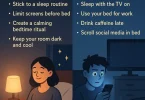
- Create a calming bedtime routine, such as reading or meditating.
- Keep your bedroom dark, quiet, and cool.
Quality sleep restores energy, improves focus, and strengthens the immune system.
2. Maintain a Balanced Diet
Nutrition plays a vital role in self-care.
- Eat a variety of fruits, vegetables, whole grains, and lean proteins.
- Limit processed foods, excessive sugar, and caffeine.
- Stay hydrated throughout the day to support mental and physical function.
- Consider mindful eating to fully enjoy and appreciate your meals.
A balanced diet provides the energy needed to engage in daily activities and maintain overall health.
3. Exercise Regularly
Physical activity is a key self-care strategy.
- Aim for at least 30 minutes of moderate exercise most days.
- Activities can include walking, jogging, yoga, or strength training.
- Exercise releases endorphins, reducing stress and improving mood.
- Find an activity you enjoy to ensure consistency.
Regular movement also supports cardiovascular health, weight management, and better sleep.
4. Practice Mindfulness and Meditation
Mindfulness enhances self-care by promoting awareness and reducing stress.
- Dedicate 5–15 minutes daily to mindfulness exercises or meditation.
- Focus on your breath, sensations, or surroundings.
- Observe thoughts without judgment and gently return attention to the present.
- Try mindful activities such as walking, journaling, or eating.
Mindfulness improves emotional regulation and helps you respond to challenges calmly.
5. Set Healthy Boundaries
Protecting your time and energy is an essential self-care tip.
- Learn to say no to commitments that overwhelm you.
- Limit interactions with negative or draining people.
- Allocate time for yourself each day, even if it’s just 15–30 minutes.
- Communicate your boundaries clearly and respectfully.
Boundaries prevent burnout and help maintain emotional balance.
6. Engage in Hobbies and Leisure Activities
Doing things you love is a vital component of self-care.
- Dedicate time to hobbies such as reading, painting, gardening, or music.
- Try new activities that spark creativity and joy.
- Leisure activities reduce stress and provide a sense of accomplishment.
Even short periods of enjoyable activities can refresh your mind and body.
7. Nurture Your Mental Health
Mental well-being is as important as physical health.
- Practice gratitude by journaling three things you are thankful for each day.
- Seek support from friends, family, or a mental health professional when needed.
- Engage in positive self-talk and challenge negative thought patterns.
- Limit exposure to stressful news or social media.
Mental self-care enhances resilience and overall life satisfaction.
8. Take Care of Your Physical Appearance
Self-care also involves feeling comfortable and confident in your body.
- Maintain personal hygiene routines such as bathing, skincare, and grooming.
- Wear clothes that make you feel confident and comfortable.
- Treat yourself occasionally to activities like a massage or spa day.
These practices boost self-esteem and contribute to emotional well-being.
9. Practice Relaxation Techniques
Relaxation is crucial to self-care.
- Try deep breathing exercises, progressive muscle relaxation, or guided imagery.
- Listen to calming music or practice gentle yoga stretches.
- Dedicate quiet time to simply rest and recharge.
Regular relaxation reduces stress hormones and improves overall health.
10. Organize Your Environment
Your surroundings affect your mental state.
- Keep your living and working spaces clean and organized.
- Declutter items that create stress or distraction.
- Create a designated space for relaxation or hobbies.
An organized environment promotes calmness and productivity.
11. Connect with Others
Social connections are a key aspect of self-care.
- Spend quality time with supportive friends and family.
- Join social or community groups to build meaningful relationships.
- Communicate openly and practice active listening.
Healthy relationships provide emotional support and reduce feelings of loneliness.
12. Practice Digital Detox
Managing technology use supports self-care.
- Limit screen time, especially before bed.
- Take breaks from social media to reduce comparison and stress.
- Allocate time for offline activities like reading, walking, or hobbies.
Digital detox helps you focus on present-moment experiences and mental clarity.
Benefits of Self-Care
- Reduced stress and anxiety
- Improved mental clarity and focus
- Enhanced physical health and energy
- Better emotional regulation
- Strengthened relationships
- Increased resilience and life satisfaction
- Higher productivity and motivation
- Greater sense of balance and well-being
Disadvantages / Risks
- Neglecting responsibilities due to excessive self-focus
- Over-reliance on self-care activities without addressing underlying issues
- Feeling guilty for taking time for yourself
- Unrealistic expectations leading to disappointment
Common Mistakes to Avoid
- Ignoring your emotional needs while focusing only on physical self-care
- Skipping self-care due to a busy schedule
- Comparing your self-care routine with others
- Expecting immediate results from self-care practices
- Practicing only occasionally instead of consistently
- Using self-care as a distraction from important life responsibilities
FAQs
1. How often should I practice self-care?
Daily practice is ideal. Even 10–20 minutes of intentional self-care each day can have significant benefits.
2. Can self-care help reduce stress?
Yes. Activities like mindfulness, exercise, and relaxation techniques reduce cortisol levels and improve mental resilience.
3. Is self-care selfish?
No. Self-care allows you to maintain your health and energy, enabling you to support others effectively.
4. Can self-care improve sleep?
Absolutely. Regular relaxation, exercise, and proper routines enhance sleep quality and duration.
5. Do I need expensive products or services for self-care?
Not at all. Self-care can include simple actions like walking, journaling, or taking quiet time for yourself.
6. How do I start a self-care routine?
Begin with small, manageable activities that fit your lifestyle. Gradually expand your routine to include multiple areas of self-care.
7. Can self-care prevent burnout?
Yes. Consistent self-care improves resilience, reduces stress, and helps maintain a healthy work-life balance.
8. How do I stay consistent with self-care?
Set reminders, schedule self-care time, and track your activities. Consistency builds habit and long-term benefits.
Expert Tips & Bonus Points
- Start small: Begin with 10–15 minutes daily and expand over time.
- Combine activities: Include physical, mental, and emotional self-care for balance.
- Create a routine: Consistency ensures sustainability.
- Practice gratitude: Enhances positivity and emotional well-being.
- Avoid guilt: Self-care is essential, not indulgent.
- Track progress: Journals or apps help monitor your self-care habits.
- Adjust as needed: Personalize your self-care routine to your lifestyle and needs.
Conclusion
Self-care is a vital practice for maintaining mental, emotional, and physical well-being. By implementing simple self-care tips, you can reduce stress, improve focus, and enjoy a more balanced, fulfilling life. Small daily habits accumulate into significant long-term benefits.
Prioritizing yourself is not selfish; it is essential for living well. By adopting consistent self-care routines, nurturing your mind and body, and setting healthy boundaries, you create a foundation for resilience, happiness, and overall life satisfaction.