
Introduction
Weight loss is a common goal for many people, whether for better health, fitness, or confidence. It’s not just about looking good—it’s about feeling good, staying active, and reducing health risks.
Achieving weight loss doesn’t have to be complicated. With the right plan, knowledge, and habits, anyone can gradually lose weight in a safe and sustainable way.
What is Weight Loss?
Weight loss refers to the process of reducing body weight, usually by losing fat. It can also include losing water and sometimes lean muscle if not done correctly.
Healthy weight loss happens slowly, about 0.5 to 1 kg per week. Rapid weight loss may cause muscle loss, fatigue, or nutrient deficiencies. Understanding the basics is essential for lasting results.
Why is Weight Loss Important?
Weight loss is important for both physical and mental health.
- Reduces disease risk: Lower chance of diabetes, heart disease, and high blood pressure.
- Boosts energy: Easier to move, exercise, and complete daily activities.
- Supports joint health: Reduces strain on knees and back.
- Improves mental health: Increases self-confidence and reduces stress.
- Enhances sleep quality: Can reduce sleep apnea and improve rest.
Maintaining a healthy weight can improve life quality and longevity.
Step-by-Step Guide to Weight Loss
1. Assess Your Current Situation
Before starting, know your starting point.
- Measure your weight and waistline.
- Track eating habits for a week.
- Set realistic goals based on body type and lifestyle.
2. Plan a Balanced Diet
Diet is the foundation of weight loss.
- Focus on vegetables, fruits, lean protein, and whole grains.
- Limit sugary drinks, fried foods, and processed snacks.
- Use portion control and mindful eating.
Example: Swap soda for water, fried snacks for nuts, and include a salad with every meal.
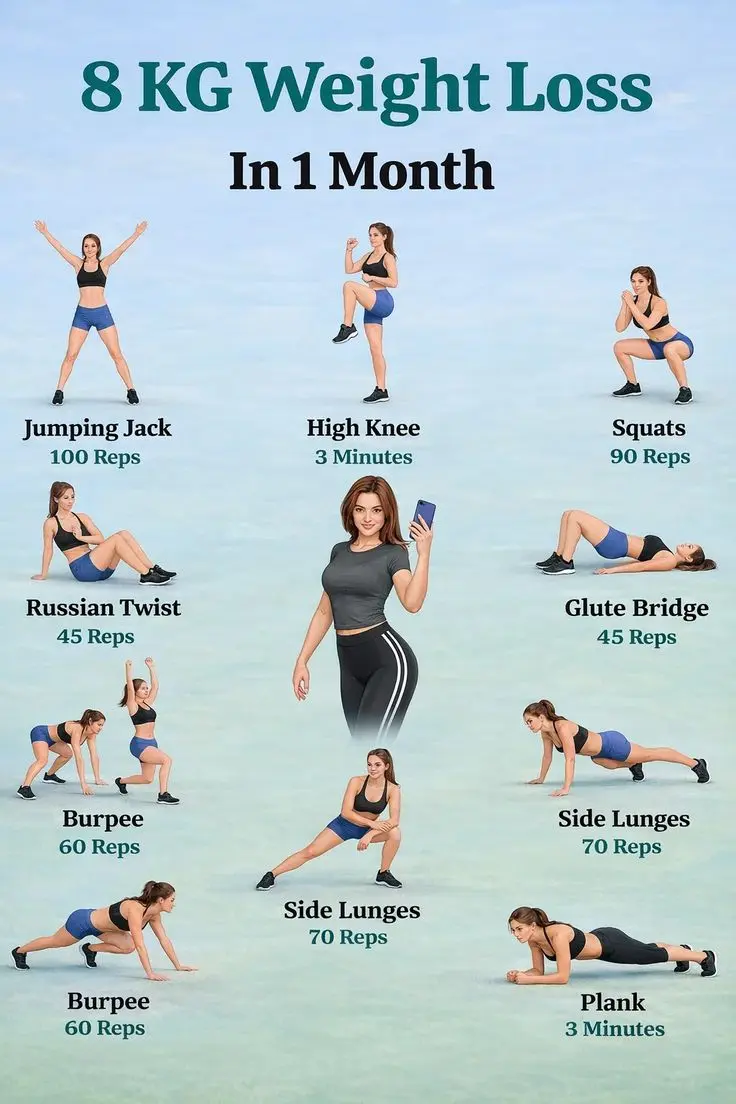
3. Exercise Regularly
Exercise helps burn calories and maintain muscle.
- Cardio: Walking, running, cycling, or swimming for 30–45 minutes daily.
- Strength Training: Build muscle through weight lifting or bodyweight exercises.
- Flexibility: Yoga or stretching to improve posture and prevent injury.
4. Track Progress
Monitoring keeps motivation high.
- Check weight weekly.
- Maintain a food and activity diary.
- Use apps to track calories burned and consumed.
5. Stay Hydrated
Drinking water is key for weight loss.
- Drink 8–10 glasses daily.
- Water boosts metabolism and reduces appetite.
- Replace sugary drinks with water or herbal teas.
6. Sleep Well
Sleep affects weight loss.
- Aim for 7–9 hours of quality sleep per night.
- Lack of sleep increases hunger hormones, making weight loss harder.
7. Manage Stress
Stress can make weight loss difficult.
- Try meditation, deep breathing, or hobbies.
- Avoid stress eating by planning meals and snacks.
8. Be Consistent
Consistency matters more than intensity.
- Stick to your plan even if results are slow.
- Avoid crash diets or extreme measures.
Benefits of Weight Loss
- Heart Health: Lowers blood pressure and cholesterol.
- Increased Energy: Easier daily activities.
- Better Mobility: Less strain on joints.
- Improved Sleep: Reduces sleep-related issues.
- Boosted Confidence: Positive body image and mental health.
- Healthy Aging: Reduces risk of chronic illnesses.
Disadvantages / Risks
- Nutrient Deficiency: Extreme diets may lack essential vitamins.
- Muscle Loss: Rapid weight loss can reduce muscle mass.
- Fatigue: Low-calorie diets can make you tired.
- Loose Skin: Fast weight loss may cause sagging.
- Mood Swings: Imbalanced diets can affect mental well-being.
Common Mistakes to Avoid
- Skipping Meals: Slows metabolism and increases cravings.
- Fad Diets: Unsustainable and unhealthy.
- Overtraining: Can lead to injuries.
- Ignoring Strength Training: Muscles burn more calories than fat.
- Not Drinking Water: Slows metabolism and increases hunger.
- Unrealistic Expectations: Causes frustration and quitting.
- Neglecting Sleep: Affects hunger hormones.
FAQs
1. How fast should I lose weight?
Aim for 0.5–1 kg per week for safe and sustainable results.
2. Can I lose weight without exercise?
Yes, diet is crucial. Exercise helps maintain muscle and boosts metabolism.
3. Are supplements necessary?
Not usually. Whole foods provide essential nutrients. Supplements may help if recommended by a professional.
4. How do I avoid gaining weight back?
Stick to balanced meals, regular exercise, and sustainable lifestyle changes.
5. Can I cheat on my diet?
Occasional treats are fine. Moderation is more important than perfection.
6. Does stress affect weight loss?
Yes. Stress increases cortisol, which may lead to fat storage. Managing stress is essential.
7. How important is sleep?
Very. Poor sleep affects hunger hormones and metabolism, making weight loss harder.
8. Can drinking water help me lose weight?
Yes. It reduces appetite, supports metabolism, and improves digestion.
Expert Tips & Bonus Points
- Eat slowly and chew thoroughly.
- Include high-fiber foods like beans, oats, and vegetables.
- Plan meals in advance to avoid unhealthy choices.
- Combine cardio and strength exercises for best results.
- Track calories without obsessing.
- Surround yourself with supportive people.
- Celebrate small milestones to stay motivated.
Conclusion
Weight loss is a journey that requires patience, knowledge, and consistent effort. Following a balanced diet, exercising regularly, getting enough sleep, and managing stress can lead to lasting results.
Remember, it’s about building habits, not quick fixes. Start small, stay motivated, and focus on long-term health. With the right approach, weight loss can become a manageable and rewarding part of your lifestyle.