
Introduction
Strength training is one of the most effective ways to improve your fitness, build muscle, and increase strength. It is suitable for beginners, intermediate learners, and even advanced athletes. Many people think strength training is only for bodybuilders, but it benefits everyone by improving health, endurance, and overall physical performance.
Starting a strength training program may feel overwhelming, but with proper guidance, anyone can learn the right techniques and create a consistent routine. Beyond physical benefits, strength training also boosts mental health, reduces stress, and enhances confidence.
What is Strength Training?
Strength training, also known as resistance training, involves exercises that target muscles to improve strength, endurance, and power. This can include lifting weights, using resistance bands, performing bodyweight exercises, or working with gym machines.
Unlike cardio, which improves heart and lung health, strength training focuses on muscles. It helps build lean muscle, improves posture, supports joint health, and increases metabolism. Strength training also enhances functional movement for daily life tasks.
Why is Strength Training Important?
Strength training has a wide range of physical and mental benefits:
- Builds lean muscle mass and increases strength
- Improves bone density, reducing risk of osteoporosis
- Boosts metabolism to burn more calories even at rest
- Protects joints, tendons, and ligaments from injuries
- Improves posture, balance, and coordination
- Enhances mood and reduces stress
- Makes daily activities easier and increases energy
For all age groups, strength training is crucial for maintaining overall health, preventing injuries, and supporting an active lifestyle.
Step-by-Step Guide to Strength Training
Step 1: Assess Your Fitness Level
Before starting, it’s important to know your baseline:
- Evaluate your current strength with basic exercises
- Take note of previous injuries or limitations
- Set realistic goals for strength, muscle growth, or fat loss
Step 2: Choose the Type of Strength Training
There are several ways to perform strength training:
- Free weights like dumbbells, barbells, and kettlebells
- Gym machines that guide movement for beginners
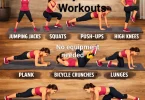
- Bodyweight exercises like push-ups, squats, pull-ups, and planks
- Resistance bands, which are portable and versatile
Select the method that matches your goals, experience level, and available equipment.
Step 3: Learn Proper Form
Correct form is essential for avoiding injuries:
- Focus on controlled movements, not heavy weight
- Use mirrors or a trainer to ensure proper technique
- Start with lighter weights and increase gradually
Example: When performing a squat, keep your knees behind your toes and maintain a straight back.
Step 4: Plan Your Routine
A beginner’s routine should include:
- Frequency: 2–4 sessions per week
- Muscle groups: chest, back, legs, shoulders, arms, and core
- Repetitions and sets: 8–12 reps per set, 2–4 sets per exercise
Sample weekly routine:
- Monday: Upper body (chest, back, arms)
- Wednesday: Lower body (legs, glutes)
- Friday: Full body or core exercises
Step 5: Warm-Up and Cool-Down
Warming up reduces injury risk and improves performance:
- 5–10 minutes of light cardio such as walking or cycling
- Dynamic stretches like arm circles and leg swings
Cooling down aids recovery:
- 5–10 minutes of light activity
- Static stretches targeting the muscles worked
Step 6: Progressive Overload
To build strength, gradually increase the challenge:
- Add more weight or resistance
- Increase repetitions or sets
- Reduce rest periods between exercises
Progressive overload ensures continuous improvement without hitting a plateau.
Step 7: Recovery and Rest
Muscles grow during rest, not just during workouts:
- Sleep 7–9 hours each night
- Allow at least 48 hours before training the same muscle group again
- Use light activity like walking or stretching on rest days
Step 8: Nutrition for Strength Training
Proper nutrition supports muscle growth and recovery:
- Protein: lean meat, eggs, dairy, legumes
- Carbohydrates: provide energy for workouts
- Healthy fats: nuts, seeds, and olive oil
- Hydration: drink water consistently throughout the day
Example: A post-workout snack like a protein shake with a banana and milk supports recovery.
Benefits of Strength Training
- Builds lean and strong muscle mass
- Increases bone density and supports joint health
- Boosts metabolism to burn more calories
- Improves posture and spinal health
- Enhances athletic performance, speed, and endurance
- Prevents injuries by strengthening muscles, tendons, and ligaments
- Supports mental health and reduces anxiety
- Improves functional strength for daily activities
Disadvantages / Risks
- Potential for injuries if form is incorrect
- Muscle soreness may limit activity temporarily
- Requires consistent effort to see results
- Overtraining can lead to fatigue or injury
- Some exercises may require access to equipment
Common Mistakes to Avoid
- Skipping warm-ups, increasing risk of injury
- Using too much weight too soon, compromising form
- Neglecting rest days, preventing muscle recovery
- Ignoring certain muscle groups, causing imbalance
- Over-focusing on aesthetics rather than strength
- Poor nutrition, limiting progress
- Excessive reliance on machines without learning bodyweight control
FAQs
1. How often should beginners do strength training?
2–4 sessions per week targeting all major muscle groups is ideal.
2. Can strength training be done at home?
Yes. Bodyweight exercises and resistance bands are very effective for beginners.
3. Will strength training make women bulky?
No. Women build lean muscle without necessarily getting bulky.
4. How long does it take to see results?
Typically 4–8 weeks with consistent training and proper nutrition.
5. Can I combine strength training with cardio?
Yes. Cardio complements strength training, but avoid doing intense cardio immediately before lifting.
6. Are protein supplements necessary?
Not always. Whole foods can meet protein needs, but supplements are helpful if intake is insufficient.
7. Can strength training help with weight loss?
Yes. Increased muscle mass boosts metabolism, helping burn more calories even at rest.
8. How can I avoid muscle soreness?
Gradually increase intensity, warm up properly, and stretch after workouts.
Expert Tips & Bonus Points
- Track your progress using a journal or app
- Focus on compound movements like squats, deadlifts, bench presses, and pull-ups
- Use the mind-muscle connection by concentrating on the targeted muscles
- Allow sufficient rest for muscle growth
- Vary exercises every 6–8 weeks to prevent plateaus
- Listen to your body and avoid pushing through pain
- Include core training for better overall strength and stability
Example: Try supersets, performing two exercises back-to-back with minimal rest, to increase intensity efficiently.
Conclusion
Strength training is essential for building muscle, improving metabolism, and supporting long-term health. Beginners should focus on proper form, progressive overload, rest, and nutrition for safe and effective results.
Consistency and gradual progression are key to achieving strength, endurance, and overall fitness. With dedication and a well-structured routine, strength training improves not only physical health but also mental well-being, confidence, and daily functionality.