
Introduction
Weight management is an essential part of maintaining good health. It involves balancing the calories you consume through food with the energy you burn through activity. Proper weight management ensures your body functions efficiently and prevents health problems related to being overweight or underweight.
Besides physical health, weight management improves mental clarity, focus, and self-confidence. With structured habits, healthy meal planning, and regular activity, anyone can achieve and maintain a sustainable and healthy weight.
What is Weight Management?
Weight management is the process of maintaining a healthy body weight through a combination of diet, exercise, and lifestyle adjustments. It is not limited to losing or gaining weight but focuses on achieving a weight that supports overall well-being.
Components of weight management include:
- Monitoring calorie intake
- Balancing proteins, fats, and carbohydrates
- Including vitamins and minerals
- Regular physical activity
- Consistent healthy habits
The goal is to maintain a weight that enhances energy, supports mobility, and reduces the risk of chronic diseases.
Why is Weight Management Important?

Weight management plays a critical role in overall health:
- Reduces the risk of heart disease, diabetes, and obesity
- Improves energy levels and stamina
- Enhances mental health and focus
- Supports better sleep and physical performance
- Strengthens muscles and bones
- Encourages long-term healthy habits
Without proper weight management, the body is more susceptible to fatigue, chronic illness, and decreased quality of life.
Detailed Step-by-Step Guide
Step 1: Assess Your Current Habits
Start by evaluating your current lifestyle:
- Track meals, snacks, and drinks for a week
- Note your activity level and exercise routine
- Observe energy levels and sleep patterns
- Identify areas for improvement such as sugary foods or inactivity
Step 2: Set Realistic Goals
Define achievable goals:
- Weight loss with calorie control and exercise
- Weight maintenance through balanced diet and routine
- Muscle gain by combining protein-rich meals with strength training
Small, measurable milestones help maintain motivation.
Step 3: Understand Macronutrients
Balance macronutrients for effective weight management:
- Proteins: Repair tissues and maintain muscle (eggs, chicken, beans)
- Carbohydrates: Provide energy (whole grains, fruits, vegetables)
- Fats: Support brain function and hormones (nuts, avocado, olive oil)
Proper balance ensures energy without excess calories.
Step 4: Include Micronutrients
Vitamins and minerals are essential for metabolism and overall health:
- Vitamins A, C, D, E, K, and B-complex
- Minerals such as calcium, magnesium, iron, and potassium
Eating a variety of colorful fruits, vegetables, and nuts ensures you get all necessary micronutrients.
Step 5: Meal Planning
Plan meals to control calories and maintain nutrition:
- Breakfast: Oats, eggs, yogurt, or smoothies
- Lunch: Lean protein with vegetables and whole grains
- Dinner: Light meals like grilled fish with vegetables
- Snacks: Fruits, nuts, or seeds
Example: Overnight oats with berries and chia seeds provide fiber, protein, and antioxidants for sustained energy.
Step 6: Portion Control
Even healthy foods can lead to weight gain if portions are too large:
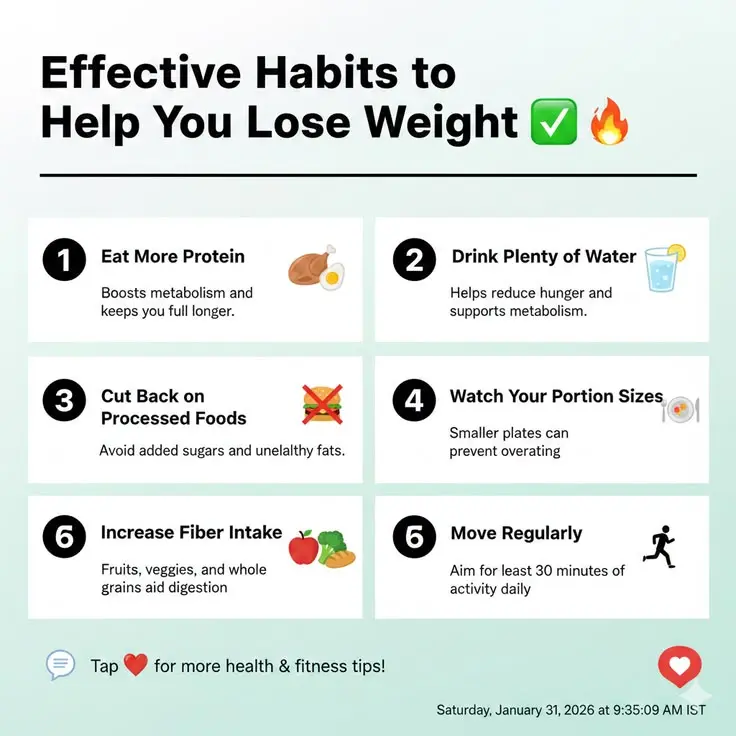
- Use smaller plates
- Include protein, vegetables, and carbs in each meal
- Pay attention to hunger and fullness cues
Step 7: Hydration
Water supports metabolism, digestion, and energy balance:
- Drink at least 8–10 glasses daily
- Include herbal teas or infused water
- Limit sugary drinks
Step 8: Regular Physical Activity
Exercise is essential for maintaining weight:
- Cardio: Walking, running, cycling for calorie burn
- Strength Training: Builds muscle and boosts metabolism
- Flexibility & Balance: Yoga or stretching improves mobility
Aim for 150 minutes of moderate exercise weekly.
Step 9: Avoid Processed Foods
Processed foods can hinder weight management:
- Limit fast food and packaged meals
- Focus on fresh, whole ingredients
- Check labels for hidden sugar, salt, and unhealthy fats
Step 10: Track Your Progress
Monitoring progress ensures effectiveness:
- Track weight, body composition, and energy levels
- Maintain a food journal or app
- Adjust portions, food choices, and exercise as needed
Benefits of Weight Management
- Reduces risk of chronic illnesses
- Improves energy levels and daily performance
- Enhances mental focus and self-confidence
- Supports better sleep and recovery
- Promotes muscle and bone strength
- Improves digestion and metabolism
- Encourages long-term healthy habits
Disadvantages / Risks
- Overly strict diets may cause nutrient deficiencies
- Rapid weight loss can lead to muscle loss and fatigue
- Ignoring preferences may reduce adherence
- Sedentary lifestyle can reverse progress
- Emotional eating may affect results
- Extreme calorie restriction can affect metabolism
Common Mistakes to Avoid
- Skipping meals, especially breakfast
- Relying on fad diets
- Ignoring portion sizes
- Drinking sugary beverages
- Eating too quickly
- Lack of variety in meals
- Neglecting exercise
- Comparing progress with others
FAQs
1. What is the best way to manage weight?
Balanced diet, portion control, hydration, and regular exercise are key.
2. Can weight management prevent diseases?
Yes. Maintaining healthy weight reduces risks of diabetes, heart disease, and obesity.
3. How often should I exercise?
At least 150 minutes of moderate exercise weekly, including cardio and strength training.
4. Are snacks allowed?
Yes. Healthy snacks like fruits, nuts, and yogurt prevent overeating and maintain energy.
5. How long does it take to see results?
Results appear gradually over weeks with sustainable habits.
6. Can weight management improve mental health?
Yes. Stable weight improves mood, focus, and self-confidence.
7. Should I track calories?
Tracking helps understand intake and maintain progress, especially for beginners.
8. Can I enjoy occasional treats?
Moderation allows treats without affecting long-term results.
Expert Tips & Bonus Points
- Eat a variety of vegetables for vitamins and fiber
- Prioritize lean proteins for satiety and muscle support
- Replace refined grains with whole grains
- Snack on fruits, nuts, or seeds
- Stay hydrated and limit sugary drinks
- Flavor food with herbs and spices instead of salt
- Plan meals weekly for consistency
- Combine diet with regular exercise
- Adjust plan based on age, activity, and health goals
Example: Stir-fried vegetables with tofu and brown rice create a nutrient-rich, satisfying meal that supports weight management.
Conclusion
Weight management is essential for health, energy, and overall wellness. Balanced meals, portion control, hydration, and regular exercise form the foundation of sustainable weight control. Beginners should start with small, gradual changes like including more vegetables, tracking meals, and staying active.
Consistency and mindful lifestyle adjustments are key to long-term success. With patience and commitment, anyone can maintain a healthy weight, improve energy, prevent disease, and enhance both physical and mental well-being.