
Introduction
Meal planning is an essential skill for anyone looking to maintain a healthy lifestyle, save time, and reduce stress around food. It involves preparing meals ahead of time, ensuring balanced nutrition, and organizing grocery shopping efficiently. For beginners, the concept may seem overwhelming, but with simple steps, it becomes manageable and rewarding.
A well-structured meal plan helps control calories, improves nutrient intake, and reduces food waste. It supports weight management, boosts energy, and simplifies daily decisions about what to eat. With consistent practice, meal planning can transform your eating habits and overall health.
What is Meal Planning?
Meal planning is the process of deciding in advance what you will eat for each meal, usually for a week. It includes selecting recipes, creating a grocery list, and preparing food ahead of time to ensure convenience and balanced nutrition.
Key components of meal planning include:
- Planning breakfast, lunch, dinner, and snacks
- Ensuring meals contain proteins, carbohydrates, fats, vitamins, and minerals
- Preparing some meals or ingredients in advance
- Adjusting portion sizes according to goals
- Creating variety to meet nutritional needs and prevent boredom
Meal planning is not only for dieting; it is a sustainable approach to improving daily nutrition and lifestyle.
Why is Meal Planning Important?
Meal planning offers several benefits:
- Supports Healthy Eating: Helps maintain balanced nutrition
- Saves Time: Reduces daily cooking decisions and shopping trips
- Promotes Weight Management: Helps control portions and prevent overeating
- Reduces Food Waste: Uses ingredients efficiently
- Supports Budgeting: Prevents unnecessary purchases and saves money
- Improves Energy: Provides consistent nutrition for sustained energy
- Reduces Stress: Eliminates daily indecision about meals
By planning meals, you create structure and consistency that improve long-term health outcomes.
Detailed Step-by-Step Guide
Step 1: Evaluate Current Eating Habits
- Track all meals, snacks, and beverages for one week
- Identify high-calorie or processed foods
- Note gaps in protein, fiber, or vegetables
- Observe energy levels and digestion patterns
This assessment helps you tailor your meal plan to your needs.
Step 2: Set Clear Goals
- Weight Loss: Focus on calorie control and nutrient-rich foods
- Weight Maintenance: Maintain balanced intake and consistent portions
- Muscle Gain: Increase protein and pair with strength exercises
Clear goals make meal planning more purposeful.
Step 3: Plan a Weekly Menu
- Breakfast: Protein-rich foods like eggs, yogurt, smoothies, or oats
- Lunch: Lean proteins, whole grains, and vegetables
- Dinner: Light and nutrient-dense meals like fish, chicken, or tofu with vegetables
- Snacks: Fruits, nuts, seeds, or yogurt
Example:
- Monday: Breakfast – overnight oats with berries and chia seeds
- Lunch – grilled chicken salad with quinoa
- Dinner – vegetable stir-fry with tofu
Step 4: Create a Grocery List
- List all ingredients for the week: fruits, vegetables, proteins, grains
- Include spices, oils, and condiments
- Stick to the list to avoid buying processed snacks
Step 5: Prep Meals Ahead
- Batch cook grains such as rice or quinoa
- Prepare proteins like chicken, beans, or tofu
- Chop vegetables and store them in containers
Example: Roast a mix of vegetables on Sunday to use throughout the week in different meals.
Step 6: Portion Control
- Use measuring cups or a food scale for accuracy
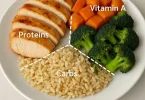
- Include a balance of protein, carbs, and vegetables in each meal
- Listen to hunger and fullness cues to avoid overeating
Step 7: Include Variety
- Rotate protein sources: chicken, fish, eggs, tofu, legumes
- Rotate vegetables: leafy greens, peppers, broccoli, carrots
- Include different grains: brown rice, oats, quinoa, whole wheat pasta
- Choose seasonal fruits for snacking and desserts
Step 8: Hydration
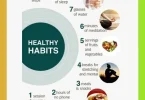
- Drink 8–10 glasses of water daily
- Include herbal teas or infused water
- Limit sugary drinks and sodas
Step 9: Monitor and Adjust
- Track energy levels, satiety, and digestion
- Adjust portion sizes and meal composition if needed
- Introduce new recipes to maintain interest and nutrition
Step 10: Maintain Flexibility
- Swap meals if your schedule changes
- Include one or two “flex meals” each week
- Avoid rigid plans that may lead to frustration or overeating
Benefits of Meal Planning
- Ensures consistent nutrition
- Saves time and reduces stress
- Helps manage weight effectively
- Reduces grocery expenses and food waste
- Boosts energy and mental focus
- Encourages long-term healthy habits
- Simplifies daily decision-making
Disadvantages / Risks
- Overplanning can feel rigid
- Strict meal plans may limit social flexibility
- Meal prep can be time-consuming initially
- Repeating meals can lead to nutrient gaps
- Improper portioning may affect weight goals
Common Mistakes to Avoid
- Planning without assessing nutritional needs
- Ignoring portion sizes
- Skipping grocery preparation
- Repeating the same meals constantly
- Forgetting snacks or hydration
- Relying solely on processed “healthy” foods
- Not tracking progress or adjusting the plan
- Being too rigid and losing motivation
FAQs
1. How do I start meal planning?
Begin with one week at a time. Track current meals, set goals, and pick simple recipes.
2. How many meals should I plan daily?
Plan 3 main meals and 1–2 snacks for balanced energy.
3. Can meal planning help with weight loss?
Yes. It helps control calories, manage portions, and maintain consistent nutrition.
4. Do I need to batch cook?
Batch cooking is optional but saves time and ensures meals are ready on busy days.
5. How do I make meal planning enjoyable?
Rotate recipes, try new ingredients, and involve family members in preparation.
6. How often should I update my meal plan?
Weekly updates are recommended or whenever your goals, schedule, or ingredients change.
7. Can meal planning save money?
Yes. Planning reduces food waste and prevents impulse purchases.
8. Is meal planning only for dieting?
No. Meal planning benefits anyone by providing structure, balanced nutrition, and convenience.
Expert Tips & Bonus Points
- Include colorful vegetables for vitamins, minerals, and fiber
- Rotate proteins for variety and muscle support
- Use whole grains for sustained energy
- Snack on fruits, nuts, and seeds to prevent hunger
- Drink plenty of water and avoid sugary drinks
- Make sauces and dressings at home to control ingredients
- Include flexible meals for social events
- Experiment with seasonal ingredients for taste and nutrition
- Store prepped ingredients properly to retain freshness
Example: A chickpea curry with brown rice provides protein, fiber, and complex carbs in one meal.
Conclusion
Meal planning is a practical way to support health, save time, and reduce stress. By planning balanced meals ahead, including a variety of foods, and preparing ingredients in advance, anyone can enjoy consistent nutrition and better energy. Beginners should start small, focus on achievable goals, and gradually expand their meal plans.
Consistency, flexibility, and creativity are essential for long-term success. Meal planning not only promotes physical health but also improves mental clarity, saves money, and enhances overall quality of life. With practice, it becomes a sustainable habit that benefits both body and mind.