
Introduction
Cardio workouts are one of the best ways to improve overall fitness. They strengthen your heart, burn calories, and increase endurance. Many beginners are unsure where to start, but cardio can be simple, effective, and enjoyable with the right guidance.
Cardio is not just about losing weight. It improves mental clarity, reduces stress, and boosts energy. By understanding the basics of cardio workouts, you can create a routine that fits your lifestyle and goals.
What is Cardio Workouts?
Cardio workouts, also called cardiovascular exercises, involve movements that raise your heart rate and enhance the efficiency of your heart, lungs, and circulatory system. Common examples include running, cycling, swimming, brisk walking, and jumping rope.
Cardio focuses on endurance rather than muscle growth, making it different from strength training. However, combining cardio with resistance training can maximize overall fitness. Regular cardio helps with weight management, improves energy levels, and strengthens the cardiovascular system.
Why is Cardio Workouts Important?
Cardio workouts offer numerous health benefits:
- Strengthens the heart and improves circulation
- Burns calories and aids in weight management
- Increases stamina for daily activities and sports
- Reduces stress, anxiety, and depression
- Enhances lung capacity and oxygen intake
- Boosts metabolism for long-lasting energy
- Improves sleep quality and recovery
- Supports overall longevity and immune health
Incorporating cardio into your routine is essential for anyone seeking a healthier lifestyle and sustainable fitness results.
Detailed Step-by-Step Guide
Step 1: Assess Your Fitness Level
Before starting, evaluate your current fitness:
- Measure resting heart rate and endurance
- Note any medical conditions or previous injuries
- Set realistic goals for stamina, weight loss, or cardiovascular improvement
Step 2: Choose the Type of Cardio
Cardio workouts can be tailored to your preferences and fitness level:
- Low-Intensity Steady State (LISS): Walking, light cycling, swimming
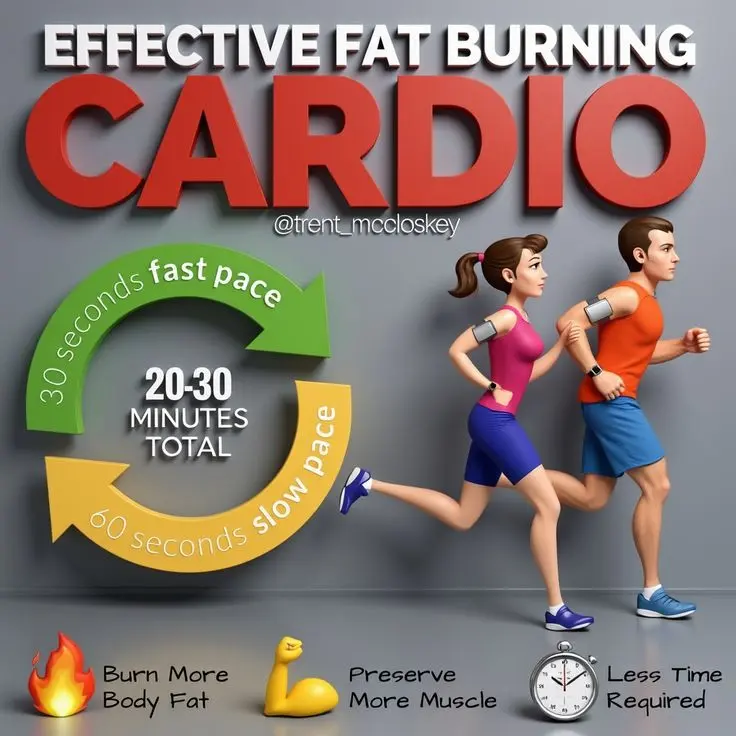
- High-Intensity Interval Training (HIIT): Short bursts of intense activity with rest periods
- Moderate Steady-State Cardio: Jogging, moderate cycling, aerobics
- Circuit Cardio: Combining cardio and strength exercises for full-body conditioning
Choosing the right type depends on your goals, available equipment, and fitness level.
Step 3: Warm-Up
Proper warm-up reduces the risk of injury and improves performance:
- 5–10 minutes of light cardio like walking or slow cycling
- Dynamic stretches such as leg swings, arm circles, and torso twists
Step 4: Start Your Cardio Session
For beginners:
- Duration: 20–30 minutes per session
- Frequency: 3–5 days per week
- Intensity: Keep a pace that elevates your heart rate while allowing conversation
Example: A brisk 20-minute walk can gradually progress to jogging as endurance improves.
Step 5: Use Proper Technique
Good form enhances efficiency and prevents injury:
- Maintain an upright posture with shoulders relaxed
- Land softly on your feet while running or jumping
- Engage your core throughout the exercise
Step 6: Cool-Down
Cooling down helps the body recover and reduces soreness:
- 5–10 minutes of light movement such as walking or slow cycling
- Static stretches targeting calves, hamstrings, quads, and shoulders
Step 7: Track Progress
Monitoring your progress keeps motivation high:
- Record duration, distance, or intensity of workouts
- Track heart rate and perceived effort
- Note improvements in stamina, energy, and endurance
Step 8: Add Variety
Variety prevents boredom and improves overall fitness:
- Mix running, cycling, swimming, and HIIT workouts
- Try outdoor activities like hiking, sports, or dancing
- Alternate between low-intensity and high-intensity sessions
Step 9: Recovery
Rest is essential for sustainable results:
- Take 1–2 rest days per week depending on intensity
- Focus on hydration, nutrition, and sleep
- Engage in light activity like walking or stretching on recovery days
Step 10: Nutrition for Cardio
Proper nutrition supports performance and recovery:
- Carbohydrates: Provide energy for workouts
- Protein: Aids in muscle repair and recovery
- Healthy Fats: Offer long-lasting energy
- Hydration: Drink water consistently before, during, and after sessions
Example: A banana with yogurt 30–60 minutes before a workout provides quick energy.
Benefits of Cardio Workouts
- Strengthens the heart and cardiovascular system
- Burns calories and aids in weight loss
- Increases stamina and endurance
- Reduces stress and improves mental clarity
- Boosts metabolism for sustained energy
- Enhances sleep quality
- Supports immune health and longevity
- Improves overall physical fitness and energy levels
Disadvantages / Risks
- Risk of joint or muscle injuries if performed incorrectly
- Overtraining may cause fatigue or reduce performance
- Excessive cardio without strength training can reduce muscle mass
- High-intensity sessions may not suit all beginners
- Requires consistent effort for visible results
Common Mistakes to Avoid
- Skipping warm-up and cool-down
- Performing the same exercise repeatedly without variation
- Ignoring proper pacing and intensity
- Overtraining without recovery days
- Failing to track progress or set goals
- Neglecting hydration and nutrition
- Comparing yourself to others instead of focusing on personal improvement
FAQs
1. How often should I do cardio workouts?
3–5 times per week is ideal for beginners and intermediate levels.
2. Can cardio help with weight loss?
Yes. Cardio burns calories and improves metabolism, aiding fat loss.
3. Is high-intensity cardio better than low-intensity?
Both have benefits. HIIT burns more calories quickly, while LISS is gentler and ideal for recovery.
4. Can I combine cardio with strength training?
Yes. Combining cardio with resistance training improves overall fitness and body composition.
5. How long should each cardio session last?
Start with 20–30 minutes and gradually increase to 45–60 minutes as endurance improves.
6. Is cardio suitable for all ages?
Yes. Cardio can be adapted for children, adults, and seniors depending on intensity.
7. How can I make cardio more enjoyable?
Mix exercises, try outdoor activities, use music, or work out with friends for motivation.
8. Should I eat before or after cardio?
Light snacks before provide energy, while protein-rich meals after help with recovery.
Expert Tips & Bonus Points
- Use interval training for better results in less time
- Monitor your heart rate to stay in the target zone
- Set achievable goals and track distance, time, or calories burned
- Listen to your body to avoid injury or overtraining
- Cross-train with different activities to improve overall fitness
- Include core-strengthening exercises for better stability and posture
- Stay consistent; even short sessions are more effective than occasional long workouts
Example: A 30-minute HIIT session with 1-minute sprints and 2-minute walking intervals repeated 8 times maximizes calorie burn and endurance.
Conclusion
Cardio workouts are essential for improving heart health, stamina, and overall fitness. They can be adapted to any fitness level and performed in a variety of ways to suit individual preferences. Regular cardio supports weight management, mental well-being, and energy levels.
Starting gradually, maintaining proper technique, and combining different cardio types ensures sustainable progress. With consistent effort, proper nutrition, and adequate rest, beginners and intermediates can achieve better health, higher endurance, and an active, energized lifestyle.