
Introduction
A proper diet plan is key to achieving a healthy lifestyle. It provides structure to your meals, helps maintain energy levels, and ensures your body receives all necessary nutrients. Beginners often struggle with choosing what to eat, when, and how much, making diet plans an essential tool.
Beyond physical health, diet plans support mental clarity, mood stabilization, and productivity. With a structured approach, you can build sustainable habits that improve overall wellness and help reach fitness goals efficiently.
What is a Diet Plan?
A diet plan is a structured eating strategy that outlines what foods to eat, in what quantities, and at what times. It balances macronutrients — proteins, carbohydrates, and fats — while ensuring adequate vitamins and minerals. Diet plans can be tailored for weight loss, muscle gain, or general health improvement.
Some plans focus on calorie counting, others on portion control or meal timing. The primary goal is to fuel the body effectively, maintain energy, and promote long-term health.
Why is a Diet Plan Important?
Diet plans are important because they:
- Help manage weight efficiently
- Provide consistent energy throughout the day
- Support fitness and muscle growth
- Reduce the risk of chronic diseases
- Improve mental clarity and focus
- Build long-term healthy eating habits
Without a structured diet plan, it’s easy to overeat, rely on unhealthy foods, or miss essential nutrients. Proper planning ensures that your health and fitness goals are met safely.
Detailed Step-by-Step Guide
Step 1: Assess Your Current Diet
Before starting a plan, understand your current habits:
- Track meals for a week
- Identify unhealthy patterns, like skipping breakfast or eating too many sugary foods
- Observe energy levels, mood, and digestion
Step 2: Set Your Goals
Clear goals determine the structure of a diet plan:
- Weight Loss: Focus on calorie control and portion management
- Muscle Gain: Increase protein and include resistance training
- Energy & Wellness: Balanced meals with carbs, protein, and fats
Step 3: Understand Macronutrients
Macronutrients provide energy and maintain bodily functions:
- Proteins: Build and repair tissues (chicken, fish, beans)
- Carbohydrates: Provide energy (whole grains, fruits, vegetables)
- Fats: Support hormone production and cell health (nuts, olive oil, avocado)
A balanced approach ensures all macronutrients are present according to goals.
Step 4: Include Micronutrients
Micronutrients, including vitamins and minerals, are essential for overall health:
- Vitamins: A, C, D, E, K, B-complex for immunity, energy, and cellular repair
- Minerals: Calcium, magnesium, iron, potassium for bones, muscles, and oxygen transport
Variety in fruits, vegetables, nuts, and seeds ensures sufficient micronutrient intake.
Step 5: Meal Planning
Planning meals helps maintain structure and nutrition:
- Breakfast: Eggs, Greek yogurt, smoothies, or whole grains
- Lunch: Lean protein with vegetables and complex carbs
- Dinner: Light, nutrient-rich meals like grilled fish or roasted vegetables
- Snacks: Nuts, fruits, yogurt for energy between meals
Example: A smoothie with spinach, berries, and chia seeds provides protein, fiber, and antioxidants.
Step 6: Portion Control
Even healthy foods can contribute to weight gain if portions are too large:
- Use smaller plates to manage portions
- Include protein, carbs, and vegetables in each meal
- Listen to hunger and fullness cues
Step 7: Hydration
Proper hydration supports digestion, metabolism, and energy:
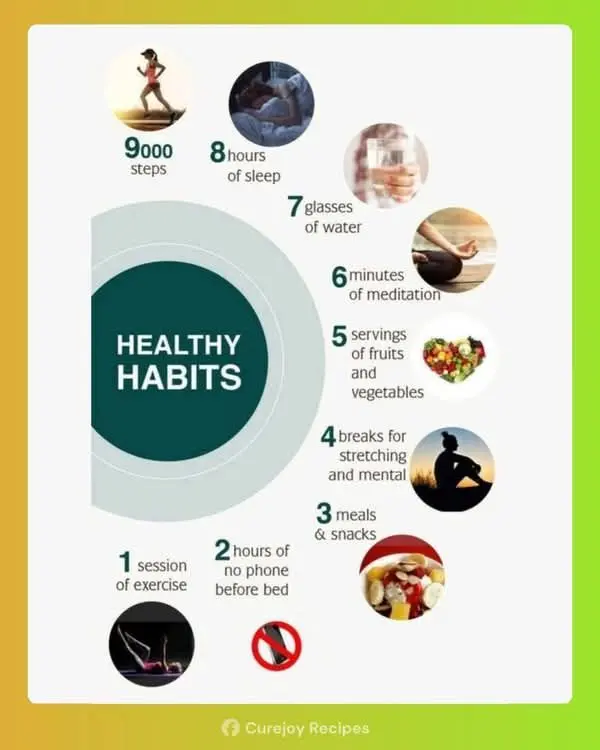
- Drink at least 8–10 glasses of water daily
- Herbal teas and infused water add variety
- Limit sugary drinks and excessive caffeine
Step 8: Avoid Processed Foods
Processed foods are often high in sugar, unhealthy fats, and sodium:
- Minimize fast food and packaged snacks
- Focus on whole grains, fresh vegetables, and lean proteins
- Read labels to identify hidden additives
Step 9: Meal Timing
Meal timing can influence energy and metabolism:
- Eat every 3–4 hours to maintain stable blood sugar
- Include a combination of protein, carbs, and fats at each meal
- Pre- and post-workout meals help energy and recovery
Step 10: Track Your Progress
Tracking progress maintains motivation and helps adjust the plan:
- Monitor energy levels, mood, and sleep
- Track weight, digestion, and wellness
- Use journals or apps to track meals and nutrient intake
Benefits of Diet Plans
- Achieve and maintain a healthy weight
- Boost daily energy and performance
- Support muscle growth and recovery
- Improve mental focus and clarity
- Reduce the risk of chronic diseases
- Build consistent, healthy eating habits
- Improve digestion and gut health
- Enhance overall wellness and longevity
Disadvantages / Risks
- Restrictive diets may cause nutrient deficiencies
- Overly strict plans can increase stress or lead to unhealthy behaviors
- Some diets require significant preparation time
- Rapid weight loss plans are often unsustainable
- Ignoring personal food preferences may reduce adherence
- Extreme plans may affect metabolism negatively
- Not suitable for all medical conditions or age groups without guidance
Common Mistakes to Avoid
- Skipping meals, especially breakfast
- Over-relying on supplements instead of whole foods
- Ignoring portion sizes
- Following fad diets without proper understanding
- Drinking too little water
- Eating too quickly and mindlessly
- Lacking variety in meals
- Comparing progress with others instead of focusing on personal goals
FAQs
1. Which diet plans are best for beginners?
Balanced meals with protein, carbs, and healthy fats, plus fruits and vegetables, are ideal.
2. Can diet plans help with weight loss?
Yes, calorie control and balanced nutrition promote healthy weight loss.
3. Is meal timing important?
Yes, eating every 3–4 hours stabilizes energy and blood sugar.
4. Should I use supplements?
Supplements can fill gaps but should not replace whole foods.
5. How can I stay motivated?
Track progress, plan meals ahead, and set realistic goals. Variety and small rewards help maintain consistency.
6. Do diet plans improve mental health?
Yes. Balanced nutrition supports brain function, mood, and stress management.
7. Are diet plans suitable for everyone?
Most plans can be adapted to age, activity level, or medical conditions. Consult a professional if needed.
8. How do I know if a diet plan is working?
Track energy, weight, mood, and overall well-being to gauge effectiveness.
Expert Tips & Bonus Points
- Include colorful fruits and vegetables for antioxidants
- Prioritize lean proteins and whole grains
- Avoid extreme diets; focus on sustainable habits
- Combine diet plans with exercise for optimal results
- Plan meals ahead to avoid unhealthy choices
- Use herbs and spices for flavor instead of salt
- Practice mindful eating for better digestion
- Include healthy snacks to maintain energy
- Adjust plans based on activity, age, and goals
Example: Preparing overnight oats with almond milk, chia seeds, and berries ensures a nutrient-dense breakfast with protein, fiber, and antioxidants.
Conclusion
Diet plans are essential for weight management, energy, and overall health. Structured eating ensures your body receives necessary nutrients while building sustainable habits. Beginners can start with balanced meals, portion control, hydration, and meal planning.
Consistency, mindful eating, and gradual changes are key to long-term success. A personalized diet plan enhances energy, mental clarity, immunity, and overall wellness, creating a healthy lifestyle for years to come.