
Introduction
Fitness and exercise are very important for a healthy and active life. In today’s busy routine, many people spend most of their time sitting and using mobile phones or computers. Because of this, physical movement becomes very limited, which slowly affects health.
When you follow a regular fitness and exercise routine, your body becomes stronger and more energetic. You feel more confident, fresh, and positive. This guide will help beginners and intermediate readers understand how to start exercising and how to stay consistent.
What is Fitness and Exercise?
Fitness means how strong, active, and healthy your body is. It shows how well you can perform daily activities without getting tired.
Exercise is planned physical activity that helps improve fitness. It includes walking, running, stretching, training, and sports.
There are different types of exercise.
Cardio exercises improve heart health. Examples include walking, cycling, and jogging.
Strength training builds muscles and bones. Examples include push-ups, squats, and weight lifting.
Flexibility exercises improve movement. Examples include yoga and stretching.
Balance exercises help prevent falls. Examples include simple balance poses.
All these types support complete fitness and exercise development.
Why is Fitness and Exercise Important?
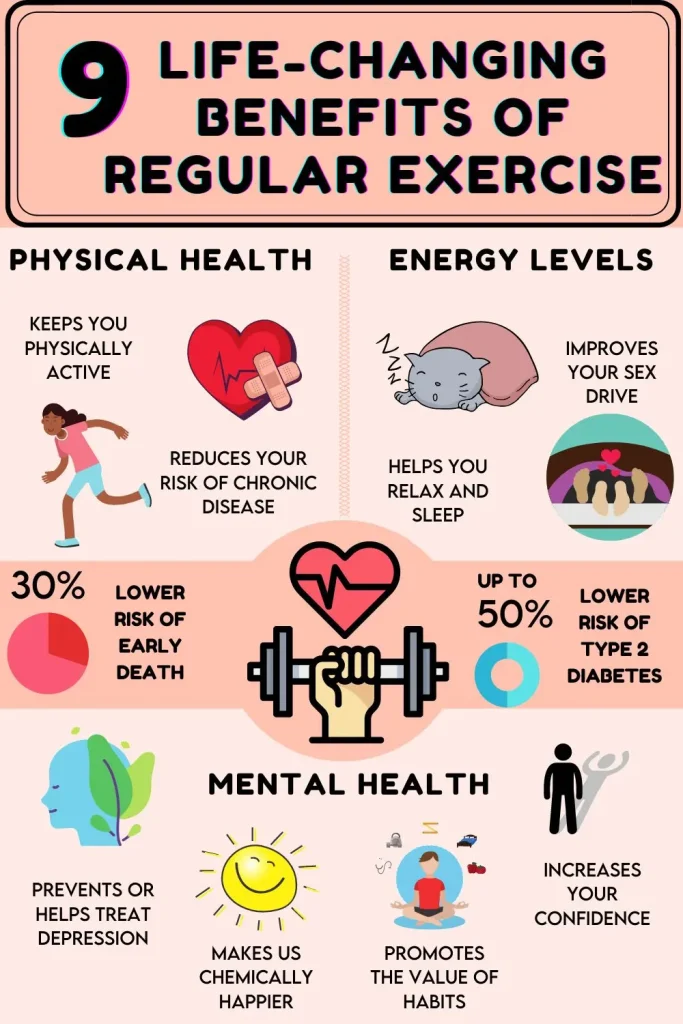
Fitness and exercise help your body work better and protect you from many health problems. Regular physical activity improves blood circulation and strengthens the heart.
Exercise also improves mental health. It reduces stress, anxiety, and depression. People who exercise regularly feel happier and more confident.
Main reasons why fitness matters include better weight control, stronger immunity, improved sleep, higher energy, and longer life.
Detailed Step-by-Step Guide to Fitness and Exercise
Step 1: Set Clear Goals
First, decide what you want to achieve.
Examples include losing weight, gaining muscle, improving stamina, or staying active.
Your goals should be realistic and easy to track.
Step 2: Check Your Fitness Level
Understand your current strength.
Ask yourself if you can walk easily, climb stairs without getting tired, or do simple exercises.
This helps you choose the right workout level.
Step 3: Choose the Right Exercises
Select exercises according to your goals.
For weight loss, choose walking, skipping, or cycling.
For muscle building, choose squats, push-ups, and resistance training.
For flexibility, choose yoga and stretching.
Mix different exercises for best results.
Step 4: Make a Weekly Plan
A schedule helps you stay disciplined.
Example plan
Monday: Cardio
Tuesday: Strength
Wednesday: Rest
Thursday: Cardio
Friday: Strength
Saturday: Stretching
Sunday: Light activity
You can change this according to your routine.
Step 5: Warm Up and Cool Down
Always warm up before exercise.
Do light jogging, arm swings, and body stretches.
After workout, cool down with slow walking and stretching.
This prevents injuries and muscle pain.
Step 6: Maintain Healthy Nutrition
Fitness and exercise work best with good food.
Eat more fruits, vegetables, whole grains, and protein.
Drink enough water daily.
Avoid junk food, soft drinks, and excess sugar.
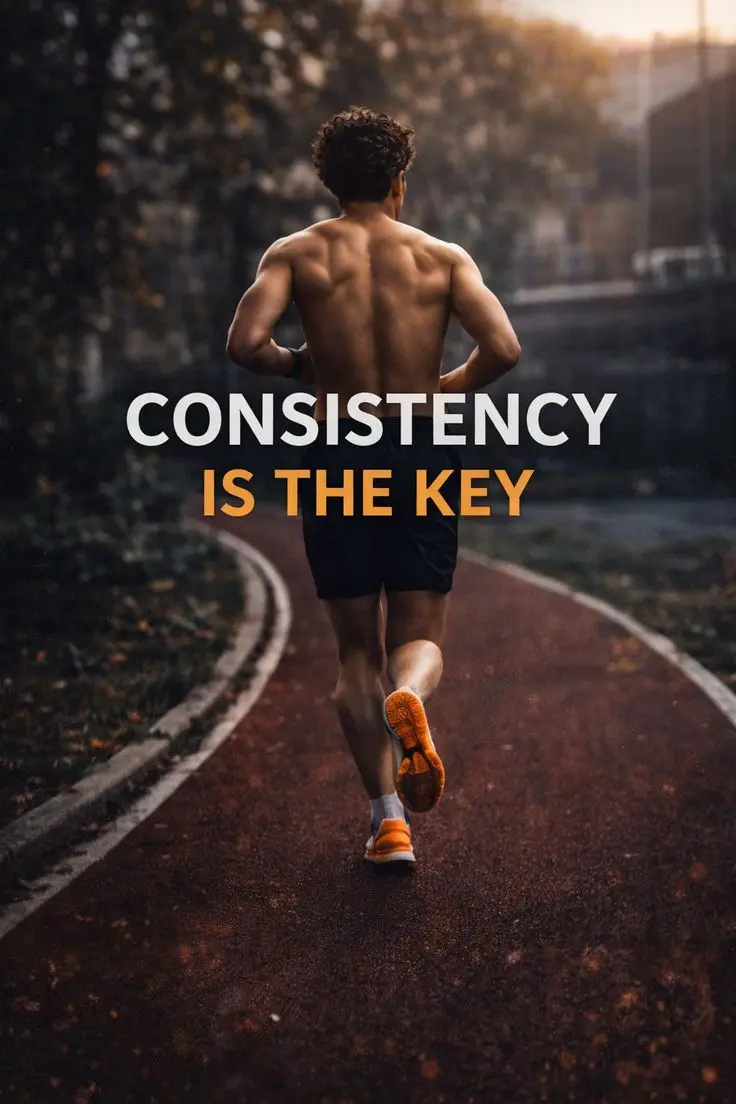
Step 7: Stay Consistent
Consistency is the key to success.
Exercise at the same time daily.
Track your progress.
Stay patient and positive.
Results take time, so never give up.
Benefits of Fitness and Exercise
Fitness and exercise provide many benefits.
- Improves heart health
- Builds strong muscles
- Controls body weight
- Increases stamina
- Improves posture
- Reduces stress
- Improves focus
- Boosts confidence
- Improves sleep
- Increases energy
Regular exercise improves overall lifestyle.
Disadvantages and Risks
If done wrongly, exercise can cause problems.
Possible risks include muscle strain, joint pain, fatigue, dehydration, and overtraining.
These problems happen when people skip warm-ups, use wrong posture, lift heavy weights early, or ignore rest.
Proper guidance reduces these risks.
Common Mistakes to Avoid
Many beginners make mistakes.
Skipping warm-up increases injury risk.
Doing too much too fast causes burnout.
Ignoring diet slows progress.
Being inconsistent gives poor results.
Comparing yourself with others reduces motivation.
Avoiding rest delays recovery.
Avoid these mistakes for better results.
FAQs About Fitness and Exercise
1. How many days should I exercise?
You should exercise at least four to five days per week. Beginners can start with three days.
2. Can I exercise at home?
Yes, home workouts are very effective. You can use bodyweight exercises.
3. How long does it take to see results?
Most people see changes within four to eight weeks.
4. Is walking enough?
Walking is good for beginners, but adding strength training gives better results.
5. Do I need gym equipment?
No, you can stay fit without equipment in the beginning.
6. What should I eat before exercise?
Eat light food like fruits, yogurt, or toast for energy.
Expert Tips and Bonus Points
Start slowly and increase intensity step by step.
Focus on correct posture.
Drink enough water.
Change workouts to avoid boredom.
Listen to your body.
Track your progress regularly.
Bonus tip: Exercise with a friend for extra motivation.
Conclusion
Fitness and exercise are the foundation of a healthy life. They improve physical strength, mental balance, and emotional well-being. With proper routine, healthy food, and consistency, anyone can become fit and active.
Remember, fitness is a lifelong journey. Start today, stay focused, and never give up. Small daily efforts can lead to big results. Make fitness and exercise part of your lifestyle and enjoy a healthy future.