
Introduction
Healthy food is essential for a strong body, a sharp mind, and long-lasting energy. Eating the right foods provides nutrients that the body needs for daily functions. Beginners often feel confused about what qualifies as healthy, so understanding the basics is crucial for adopting good eating habits.
Choosing healthy food does more than just improve physical health. It boosts mental clarity, mood, and productivity. A balanced diet supports energy, strengthens immunity, and helps maintain a healthy weight. Simple, sustainable strategies make it easier to eat well every day.
What is Healthy Food?
Healthy food includes items that provide essential nutrients without harmful additives. It is rich in vitamins, minerals, proteins, fiber, and healthy fats. Healthy food avoids excessive sugars, unhealthy fats, and highly processed ingredients.
Examples of healthy food include
- Fresh fruits and vegetables
- Whole grains like brown rice, oats, and quinoa
- Lean proteins such as chicken, fish, eggs, and legumes
- Nuts, seeds, and healthy oils
- Dairy or plant-based alternatives
Eating healthy food means balance and variety, ensuring your body gets everything it needs to function well.
Why is Healthy Food Important?
Healthy food is vital for several reasons
- Provides consistent energy throughout the day
- Helps maintain or achieve a healthy weight
- Supports immune system function
- Improves brain function, focus, and mood
- Reduces the risk of chronic diseases like diabetes and heart problems
- Promotes healthy digestion
- Strengthens bones, muscles, and overall wellness
Without a diet rich in healthy food, the body can experience fatigue, poor immunity, and long-term health issues.
Detailed Step-by-Step Guide
Step 1: Review Your Current Eating Habits
Before making changes, track what you eat for a week. Note snacks, sugary drinks, and processed foods. Observe your energy levels and digestion. Knowing your starting point helps create realistic improvements.
Step 2: Include a Variety of Nutrients
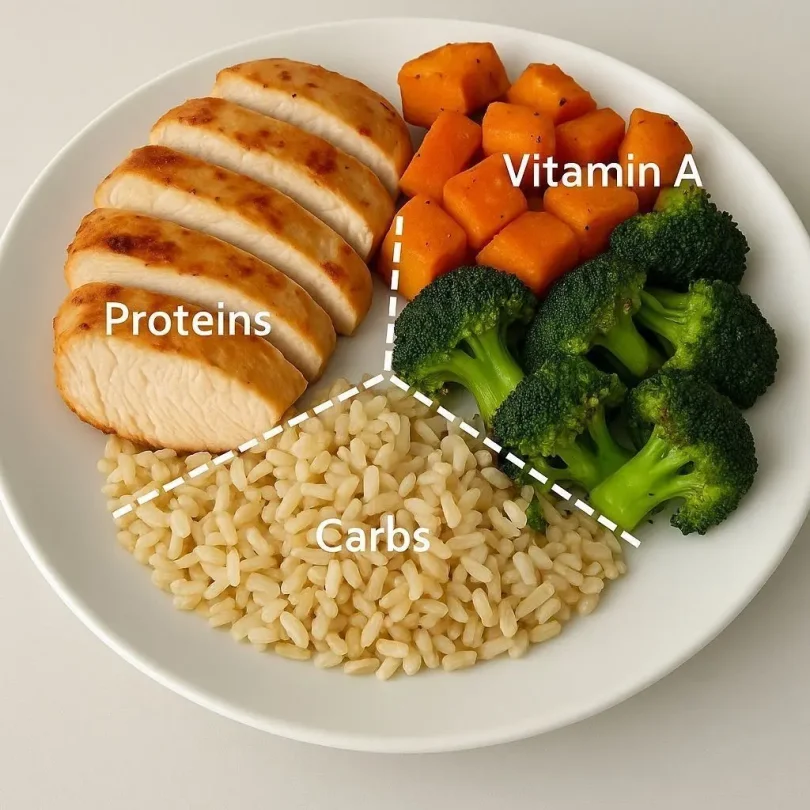
Healthy food should cover all nutrient groups
- Proteins for muscle repair and growth (eggs, beans, fish)
- Carbohydrates for energy (whole grains, fruits, vegetables)
- Healthy fats for hormones and cell function (nuts, seeds, avocado)
- Vitamins and minerals to support immunity and overall health (vegetables, fruits, dairy)
A colorful plate ensures a wide range of nutrients.
Step 3: Prioritize Whole Foods
Whole foods are minimally processed and nutrient-dense
- Replace refined grains with whole grains
- Eat fresh vegetables and fruits
- Include lean proteins like chicken, fish, tofu, or legumes
- Snack on nuts, seeds, or fruit instead of packaged foods
Step 4: Plan Balanced Meals
Planning meals helps maintain consistency
- Breakfast: Oats, eggs, smoothies, or whole-grain toast with fruit
- Lunch: Lean protein with vegetables and whole grains
- Dinner: Light meals like grilled fish with steamed vegetables
- Snacks: Nuts, seeds, fruit, or yogurt
Example: A smoothie with spinach, berries, and chia seeds provides fiber, protein, and antioxidants.
Step 5: Control Portions
Portion control prevents overeating even with healthy food
- Use smaller plates
- Include protein, carbs, and vegetables in each meal
- Listen to hunger and fullness cues
Step 6: Hydration
Water supports digestion, nutrient absorption, and energy
- Drink at least 8–10 glasses daily
- Include herbal teas or infused water for variety
- Avoid sugary drinks
Step 7: Limit Processed Foods
Processed foods often contain hidden sugar, salts, and unhealthy fats
- Avoid fast food and packaged snacks
- Focus on fresh ingredients
- Check labels for additives
Step 8: Mindful Eating
Mindful eating improves digestion and satisfaction
- Eat slowly and chew food properly
- Avoid distractions like phones or TV
- Focus on hunger and fullness signals
Step 9: Meal Timing
Proper meal timing supports energy and metabolism
- Eat every 3–4 hours
- Include protein, carbs, and fats in each meal
- Pre- and post-workout meals support energy and recovery
Step 10: Track Your Progress
Tracking ensures your habits are effective
- Monitor energy, digestion, and sleep
- Track weight, mood, and wellness
- Adjust meals based on results
Benefits of Healthy Food
- Supports weight management
- Boosts energy levels
- Improves brain function and focus
- Strengthens immunity
- Reduces risk of chronic diseases
- Promotes digestion and gut health
- Enhances skin, hair, and nail health
- Encourages overall wellness
Disadvantages / Risks
- Poor food choices can lead to fatigue
- Overconsumption of processed foods may cause weight gain
- Nutrient deficiencies if diet is unbalanced
- Skipping meals can affect metabolism
- Excess sugar and fats increase risk of disease
Common Mistakes to Avoid
- Eating too many processed foods
- Ignoring portion sizes
- Skipping breakfast or meals
- Drinking sugary drinks instead of water
- Eating too quickly without attention
- Lacking variety in meals
- Following extreme diet trends
- Neglecting fiber, fruits, and vegetables
FAQs
1. What counts as healthy food?
Fresh fruits, vegetables, whole grains, lean proteins, nuts, seeds, and healthy fats are all healthy choices.
2. Can healthy food help with weight loss?
Yes. Balanced meals with proper portions support sustainable weight loss.
3. How many meals should I eat daily?
Three main meals and 1–2 healthy snacks is ideal, depending on activity level.
4. Are healthy snacks necessary?
Yes. They maintain energy and prevent overeating at main meals.
5. Does healthy food improve mental health?
Yes. Nutrients support focus, memory, and mood.
6. How do I know my diet is healthy?
Energy, good digestion, stable weight, and overall wellness indicate a healthy diet.
7. Can I enjoy occasional treats?
Yes. Moderation ensures balance without sacrificing healthy habits.
8. How should beginners start eating healthy?
Start with small changes: more fruits and vegetables, whole grains, reduced sugar, and planning meals ahead.
Expert Tips & Bonus Points
- Include colorful vegetables for antioxidants
- Focus on lean proteins for satiety and muscle support
- Choose whole grains over refined carbs
- Snack on nuts, seeds, or fruits
- Stay hydrated and reduce sugary drinks
- Flavor food with herbs and spices instead of salt
- Practice mindful eating to enjoy food and improve digestion
- Plan meals weekly for consistency
- Adjust meals according to activity, age, and personal goals
Example: Vegetable stir-fry with tofu and brown rice makes a nutrient-dense dinner rich in protein, fiber, and vitamins.
Conclusion
Healthy food is the key to energy, wellness, and long-term health. Eating nutrient-dense foods ensures the body functions optimally while supporting immunity, weight management, and mental clarity. Beginners can start by adding more fruits, vegetables, lean proteins, and whole grains to daily meals gradually.
Consistency, mindful eating, and small, gradual changes are the secrets to success. By embracing healthy food habits, you can enhance energy, focus, digestion, and overall quality of life while creating a sustainable and healthy lifestyle.