
Introduction
Healthy living is more than just eating vegetables or going to the gym once in a while. It is a balanced lifestyle that supports your body, mind, and emotions every single day. In today’s busy world, many people struggle to maintain healthy living habits because of work pressure, family responsibilities, and constant distractions. However, small and consistent changes can create powerful long-term results.
When you focus on healthy living, you invest in your future. You gain more energy, improve your mood, and reduce the risk of many diseases. Most importantly, you feel better about yourself. The good news is that healthy living does not require expensive programs or complicated routines. It starts with simple daily choices like drinking enough water, eating balanced meals, moving your body, and getting enough sleep.
This guide will help beginners and intermediate readers understand what healthy living really means. You will learn why it matters, how to practice it step by step, and how to avoid common mistakes. By the end of this article, you will feel confident about starting or improving your healthy living journey.
What is Healthy Living?
Healthy living is a lifestyle that supports physical, mental, and emotional well-being. It involves making daily choices that improve your overall health and quality of life. Instead of focusing on short-term diets or quick fixes, healthy living encourages long-term habits.
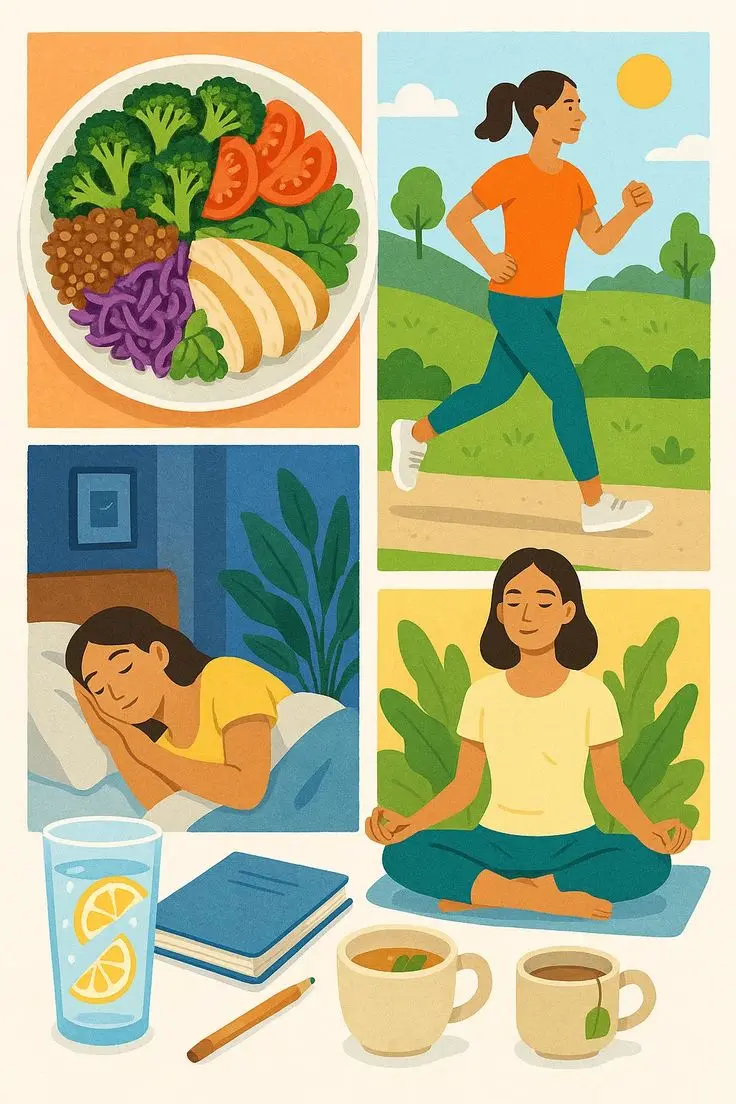
At its core, healthy living includes balanced nutrition, regular physical activity, proper sleep, stress management, and positive relationships. These elements work together to create a strong foundation for wellness.
For example, someone practicing healthy living might prepare home-cooked meals, walk daily, limit screen time before bed, and take time to relax. These habits may seem simple, but when done consistently, they bring powerful results.
Healthy living also means listening to your body. If you feel tired, you rest. If you feel stressed, you find healthy ways to relax. It is about balance, not perfection.
Why is Healthy Living Important?
Healthy living is important because your health affects every area of your life. When you feel good physically and mentally, you perform better at work, enjoy relationships more, and handle challenges with confidence.
First, healthy living reduces the risk of chronic diseases such as heart disease, diabetes, and obesity. Regular exercise and balanced meals protect your body over time.
Second, it improves mental health. Proper sleep, exercise, and stress management help reduce anxiety and depression.
Third, healthy living increases energy levels. When you fuel your body correctly and stay active, you feel more motivated and productive.
Finally, it supports long-term happiness. A healthy body and calm mind allow you to enjoy life fully.
In short, healthy living is not just about adding years to your life. It is about adding life to your years.
Detailed Step-by-Step Guide
Step 1: Improve Your Nutrition
Nutrition is a key part of healthy living. What you eat directly affects how you feel.
Start by including:
- Fresh fruits and vegetables
- Whole grains like brown rice and oats
- Lean proteins such as fish, chicken, beans, and eggs
- Healthy fats like nuts and olive oil
Try to reduce processed foods, sugary drinks, and excessive salt. Portion control is also important. Eating slowly helps you recognize fullness.
For example, instead of fast food for lunch, prepare a simple salad with grilled chicken and whole-grain bread.
Step 2: Stay Physically Active
Regular movement supports healthy living by strengthening your heart, muscles, and bones.
You do not need intense workouts. Walking, cycling, swimming, yoga, or home exercises are effective options.
Aim for at least 30 minutes of moderate activity five days a week. If you are new to exercise, start with 10 minutes daily and increase gradually.
Consistency matters more than intensity.
Step 3: Get Quality Sleep
Sleep is essential for recovery and mental clarity.
Adults usually need 7 to 9 hours of sleep per night. To improve sleep quality:
- Maintain a regular bedtime
- Avoid screens one hour before sleep
- Keep your room dark and quiet
- Limit caffeine in the evening
Good sleep supports memory, mood, and immune health.
Step 4: Manage Stress Effectively
Stress is unavoidable, but managing it is crucial for healthy living.
Try these techniques:
- Deep breathing exercises
- Meditation or mindfulness
- Journaling your thoughts
- Spending time in nature
Even 10 minutes of relaxation can improve your mood and focus.
Step 5: Stay Hydrated
Water plays a major role in healthy living.
It supports digestion, circulation, and temperature control. Aim to drink 6 to 8 glasses of water daily, depending on your activity level.
Carry a water bottle with you as a reminder.
Step 6: Build Healthy Relationships
Emotional well-being is part of healthy living.
Spend time with supportive people. Communicate openly and practice gratitude. Positive relationships reduce stress and increase happiness.
Step 7: Avoid Harmful Habits
Limit smoking, excessive alcohol, and long hours of sitting.
Replace harmful habits with positive ones. For example, choose herbal tea instead of sugary drinks.
Small improvements lead to lasting change.
Benefits of Healthy Living
Practicing healthy living offers many benefits:
- Increased energy and stamina
- Stronger immune system
- Better weight management
- Improved mood and emotional balance
- Reduced risk of chronic diseases
- Better sleep quality
- Improved focus and productivity
- Stronger muscles and bones
- Higher self-confidence
- Longer life expectancy
These benefits build gradually and improve overall life satisfaction.
Disadvantages / Risks
While healthy living is generally safe, certain risks can occur if done incorrectly:
- Extreme dieting can cause nutrient deficiencies
- Overexercising may lead to injuries
- Ignoring medical conditions can worsen health
- Setting unrealistic goals may cause frustration
- Following unverified trends can be harmful
Balance and proper guidance are important. Always consult a healthcare professional if needed.
Common Mistakes to Avoid
Many people struggle with healthy living because of common mistakes.
First, trying to change everything at once. Start with one habit and build gradually.
Second, focusing only on diet or only on exercise. Both are important.
Third, expecting quick results. Healthy living is a long-term journey.
Fourth, comparing yourself to others. Everyone’s body and lifestyle are different.
Finally, giving up after small setbacks. Missing one workout or eating one unhealthy meal does not mean failure. Simply return to your routine.
Avoiding these mistakes helps you stay consistent.
FAQs
1. How do I start healthy living as a beginner?
Start with small changes. Drink more water, add one vegetable to each meal, and walk for 15 minutes daily. Gradually add more habits as you feel comfortable.
2. How long does it take to see results?
Some benefits, like improved mood, appear within days. Physical changes may take several weeks. Consistency is the key to long-term success.
3. Is healthy living expensive?
Not necessarily. Home-cooked meals, walking, and basic exercises are affordable. Planning your meals can even save money.
4. Can healthy living improve mental health?
Yes. Regular exercise, good sleep, and balanced nutrition positively affect brain function and emotional balance.
5. Do I need supplements?
Most people can get necessary nutrients from a balanced diet. However, consult a healthcare professional before taking supplements.
6. What if I have a busy schedule?
Healthy living can fit into any schedule. Short workouts, meal preparation, and setting sleep routines require planning but are manageable.
7. Is occasional junk food allowed?
Yes. Healthy living is about balance, not restriction. Enjoy treats in moderation without guilt.
8. Can older adults practice healthy living?
Absolutely. Healthy living benefits people of all ages. Activities and nutrition should match individual needs and medical conditions.
Expert Tips & Bonus Points
To make healthy living easier and more effective, consider these expert tips.
First, plan your meals weekly. This reduces unhealthy choices.
Second, track your habits. Writing them down increases accountability.
Third, set realistic goals. For example, aim to lose one pound per week instead of drastic changes.
Fourth, create a supportive environment. Keep healthy snacks visible and remove temptations.
Fifth, celebrate small victories. Every positive step counts.
You can also practice mindful eating. Pay attention to flavors and portion sizes.
Another helpful tip is scheduling workouts like appointments. Treat them as important commitments.
Finally, remember that rest is productive. Recovery days prevent burnout and injuries.
Healthy living is about building sustainable habits that fit your lifestyle.
Conclusion
Healthy living is a lifelong journey built on simple daily choices. It does not require perfection or extreme measures. Instead, it focuses on balance, consistency, and self-care.
By improving nutrition, staying active, sleeping well, managing stress, and building positive relationships, you create a strong foundation for overall wellness. These habits may seem small, but together they produce powerful long-term results.
There will be challenges along the way. Busy days, stress, and unexpected events can disrupt routines. However, what matters most is returning to healthy habits without guilt. Progress is more important than perfection.
Remember that healthy living is personal. Adjust your routine based on your needs and goals. Listen to your body and seek professional advice when necessary.