
Introduction
Good nutrition is the foundation of a healthy lifestyle. Eating the right foods provides energy, strengthens the immune system, and improves overall well-being. Many beginners are unsure what to eat, how much, or when, making nutrition tips essential to guide daily choices.
Proper nutrition impacts not just physical health but also mental clarity, mood, and productivity. By following simple, actionable nutrition tips, anyone can create sustainable eating habits that support long-term wellness and energy.
What is Nutrition?
Nutrition is the process of consuming, absorbing, and using nutrients from food to maintain health and support bodily functions. Nutrients include proteins, carbohydrates, fats, vitamins, minerals, and water. Each plays a specific role, from building muscles to supporting brain function and regulating hormones.
Nutrition also involves understanding portion sizes, meal timing, and food quality. It’s not just about eating; it’s about fueling the body efficiently to maintain energy, promote recovery, and enhance overall wellness.
Why is Nutrition Important?

Proper nutrition is crucial for:
- Energy Production: Nutrients fuel daily activities and workouts
- Growth and Repair: Proteins and minerals support tissue repair and muscle growth
- Immune Function: Vitamins and minerals help fight illnesses and maintain health
- Brain Health: Nutrients like omega-3s improve focus and mental performance
- Weight Management: Balanced nutrition prevents weight gain or unhealthy loss
- Longevity: Proper nutrition reduces the risk of chronic diseases and promotes long-term wellness
Without adequate nutrition, the body cannot perform at its best, and even exercise and sleep cannot compensate for poor eating habits.
Detailed Step-by-Step Guide
Step 1: Assess Your Diet
Evaluate your current eating habits before making changes:
- Track meals for one week
- Identify unhealthy patterns such as skipping breakfast or excessive sugary foods
- Note energy levels, digestion, and sleep quality
Step 2: Understand Macronutrients
Macronutrients are nutrients needed in large amounts:
- Proteins: Essential for muscle repair and growth (chicken, fish, beans)
- Carbohydrates: Main energy source for daily activities and workouts (whole grains, fruits, vegetables)
- Fats: Important for hormones and cell function (nuts, olive oil, avocado)
Balance is key. Extreme diets that cut entire macronutrients can harm energy levels and metabolism.
Step 3: Focus on Micronutrients
Micronutrients, required in smaller amounts, are vital for health:
- Vitamins: A, C, D, E, K, and B-complex support immunity, energy, and cell repair
- Minerals: Calcium, magnesium, iron, and potassium support bone strength, muscles, and oxygen transport
Eat a variety of colorful vegetables, fruits, nuts, and seeds to meet micronutrient needs.
Step 4: Meal Planning
Planning meals helps ensure consistency and balance:
- Breakfast: High-protein options like eggs, Greek yogurt, or smoothies
- Lunch: Lean protein with complex carbohydrates and vegetables
- Dinner: Light but nutrient-rich meals such as grilled fish with steamed vegetables
- Snacks: Nuts, seeds, or fruit to maintain energy throughout the day
Example: Overnight oats with chia seeds, berries, and yogurt provide fiber, protein, and antioxidants in one meal.
Step 5: Portion Control
Even healthy foods can lead to weight gain if portions are too large:
- Use smaller plates and bowls
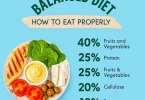
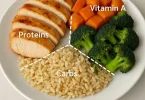
- Include protein, carbohydrates, and vegetables in each meal
- Listen to hunger and fullness cues
Step 6: Hydration
Water is essential for digestion, nutrient absorption, and energy:
- Drink 8–10 glasses per day
- Include herbal teas or infused water for variety
- Limit sugary drinks and excess caffeine
Step 7: Reduce Processed Foods
Minimize foods high in sugar, sodium, and unhealthy fats:
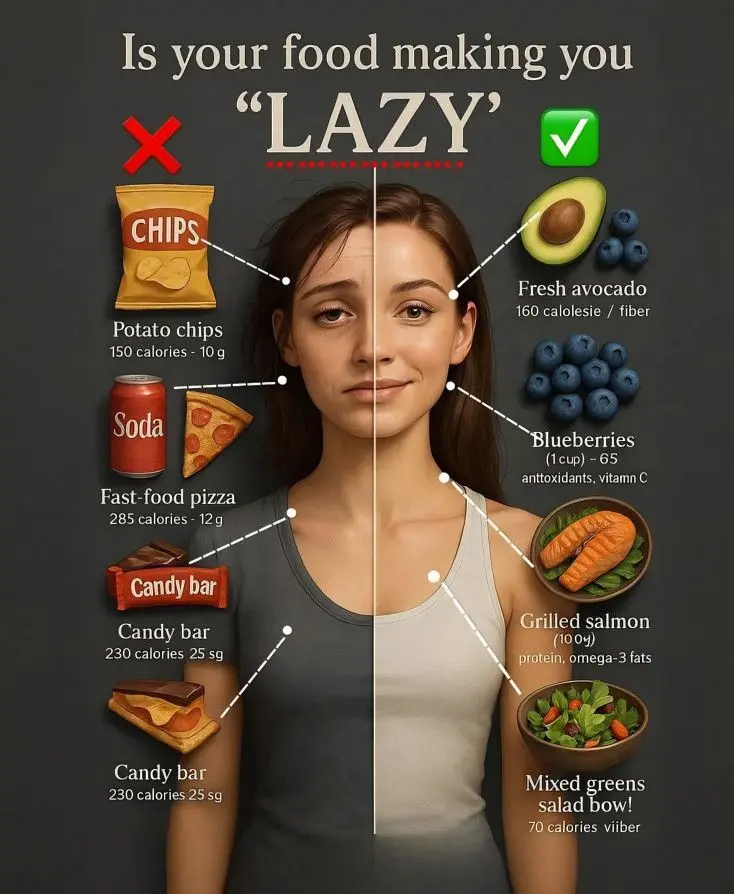
- Avoid fast food and packaged snacks
- Choose whole grains, fresh vegetables, and lean proteins
- Read labels to identify hidden sugars and additives
Step 8: Mindful Eating
Mindful eating improves digestion and prevents overeating:
- Eat slowly and chew thoroughly
- Avoid distractions like TV or phone during meals
- Focus on taste, texture, and satisfaction
Step 9: Timing and Frequency
Meal timing can affect energy and metabolism:
- Eat every 3–4 hours to maintain stable blood sugar
- Include a mix of protein, carbohydrates, and fats in each meal
- Pre- and post-workout meals should provide energy and recovery nutrients
Step 10: Track Progress
Monitoring improvements keeps motivation high:
- Track energy levels, mood, and sleep
- Monitor weight, digestion, and overall well-being
- Use journals or apps to track meals and identify patterns
Benefits of Good Nutrition
- Maintains healthy weight and body composition
- Boosts energy and endurance for daily activities
- Supports brain function and mental clarity
- Strengthens immunity and reduces illness risk
- Enhances muscle growth and recovery
- Improves digestion and gut health
- Promotes healthy skin, hair, and nails
- Reduces the risk of chronic diseases like diabetes and heart disease
Disadvantages / Risks of Poor Nutrition
- Weight gain or malnutrition
- Fatigue and low energy
- Poor mental focus and mood swings
- Weak immunity and higher illness risk
- Muscle loss or slow recovery
- Digestive problems like bloating or constipation
- Increased risk of chronic diseases
- Hormonal imbalances affecting metabolism
Common Mistakes to Avoid
- Skipping meals, especially breakfast
- Over-relying on supplements instead of whole foods
- Eating processed or fast foods regularly
- Ignoring portion control
- Not drinking enough water
- Following fad diets without guidance
- Eating too quickly without mindfulness
- Not including a variety of nutrients
FAQs
1. What are the best nutrition tips for beginners?
Focus on balanced meals, portion control, hydration, and minimizing processed foods.
2. How important is protein in a diet?
Protein is essential for muscle repair, satiety, and overall health. Include lean meats, eggs, or plant-based options.
3. Can nutrition help with weight loss?
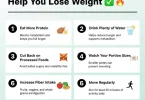
Yes. Balanced nutrition, portion control, and consistent meal timing promote sustainable weight loss.
4. Should I take vitamins or supplements?
Supplements can help if dietary intake is insufficient, but whole foods should remain the primary source.
5. How much water should I drink daily?
8–10 glasses per day is general guidance; adjust for activity level, climate, and body weight.
6. Is snacking bad for health?
Healthy snacks like nuts, seeds, or fruit maintain energy and prevent overeating at meals.
7. Can nutrition affect mental health?
Yes. Nutrients such as omega-3s, vitamins, and minerals impact mood, focus, and stress.
8. How do I know if I’m eating enough?
Monitor energy levels, mood, sleep, and overall well-being. Tracking meals can highlight deficiencies.
Expert Tips & Bonus Points
- Include a variety of colorful fruits and vegetables for antioxidants
- Prioritize lean proteins and whole grains for steady energy
- Avoid extreme diets; focus on sustainable, balanced eating
- Combine proper nutrition with regular exercise for optimal results
- Plan meals ahead to avoid unhealthy choices
- Use herbs and spices for flavor instead of excessive salt
- Practice mindful eating to enhance digestion and satisfaction
- Prepare balanced snacks for busy days
- Adjust nutrition based on activity levels, age, and personal goals
Example: Add spinach, berries, and chia seeds to a smoothie for a nutrient-rich breakfast that supports energy, immunity, and recovery.
Conclusion
Good nutrition is the cornerstone of health, energy, and long-term wellness. Following simple, consistent nutrition tips ensures your body receives essential nutrients while maintaining balance. Beginners can start by focusing on whole foods, portion control, hydration, and mindful meal planning.
Consistency, gradual changes, and tracking progress are key to sustainable results. By adopting these nutrition tips, you can improve energy, mental clarity, immunity, and overall quality of life while supporting long-term health and wellness.