

Introduction
Self-care is more than just a trend. It is a daily commitment to take care of your body, mind, and emotions. In today’s busy world, many people ignore their own needs while trying to meet work deadlines, family responsibilities, and social expectations. As a result, stress, burnout, and health problems become common.
That is where self-care becomes essential. Self-care helps you slow down, recharge, and protect your well-being. It is not selfish. In fact, when you take care of yourself, you become stronger and more capable of helping others.
Many beginners think self-care means expensive spa treatments or long vacations. However, true self-care can be simple and affordable. It may include getting enough sleep, eating healthy food, setting boundaries, or taking short breaks during the day.
What is Self-care?
Self-care is the practice of taking actions that protect and improve your physical, mental, and emotional health. It involves making choices that support your well-being instead of draining it.
Self-care can be divided into different types:
- Physical self-care – Taking care of your body through sleep, nutrition, exercise, and medical checkups.
- Mental self-care – Keeping your mind healthy by learning new skills, managing stress, and limiting negative thoughts.
- Emotional self-care – Understanding your feelings and expressing them in a healthy way.
- Social self-care – Building healthy relationships and spending time with supportive people.
- Spiritual self-care – Connecting with your values, beliefs, or purpose in life.
For example, going for a 20-minute walk after work is physical self-care. Writing in a journal to release stress is emotional self-care. Saying “no” when you feel overwhelmed is also a form of self-care.
Why is Self-care Important?
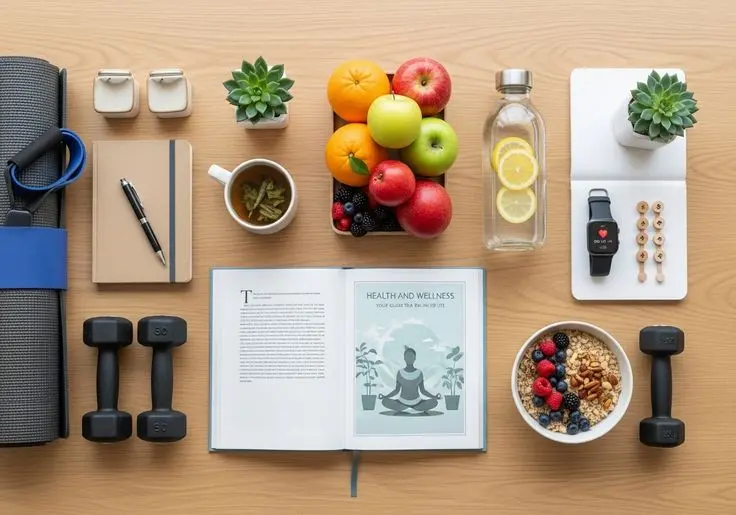
Self-care is important because it directly affects your health and happiness. Without it, stress builds up, energy decreases, and motivation drops.
Here are key reasons why self-care matters:
- Reduces Stress
Regular self-care activities calm your nervous system and help you relax. - Prevents Burnout
When you constantly work without rest, you feel exhausted. Self-care prevents this mental and physical fatigue. - Improves Mental Health
Simple habits like journaling or meditation can reduce anxiety and negative thinking. - Boosts Physical Health
Good sleep, exercise, and proper nutrition strengthen your immune system. - Increases Productivity
When you feel refreshed, you work better and think more clearly. - Improves Relationships
When you are emotionally balanced, you communicate better and handle conflicts calmly.
In short, self-care builds a strong foundation for a healthy and balanced life.
Detailed Step-by-Step Guide to Practicing Self-care
Step 1: Understand Your Needs
Before starting, ask yourself simple questions:
- Am I feeling tired all the time?
- Do I feel stressed or overwhelmed?
- Am I ignoring my health?
Write down your answers. This helps you identify areas that need attention.
For example, if you sleep only five hours daily, your first self-care goal may be improving sleep.
Step 2: Create a Simple Daily Routine
A routine makes self-care consistent. Start small.
Morning routine ideas:
- Drink a glass of water
- Stretch for five minutes
- Avoid checking your phone immediately
Evening routine ideas:
- Reduce screen time
- Read a book
- Sleep at a fixed time
Consistency is more important than perfection.
Step 3: Take Care of Your Physical Health
Physical self-care is the foundation.
Focus on:
- Sleep – Aim for 7–8 hours.
- Nutrition – Eat balanced meals with fruits, vegetables, and protein.
- Exercise – Walk, jog, or do home workouts at least three times a week.
- Hydration – Drink enough water daily.
For example, replacing sugary drinks with water is a small but powerful step.
Step 4: Practice Mental Self-care
Your mind needs rest too.
Try these:
- Read books that inspire you
- Learn a new skill
- Limit social media use
- Take short breaks during work
If you feel mentally exhausted, step outside for fresh air. Even 10 minutes can refresh your mind.
Step 5: Strengthen Emotional Self-care
Emotional health is often ignored.
Healthy emotional habits include:
- Journaling your thoughts
- Talking to a trusted friend
- Practicing gratitude
- Allowing yourself to cry when needed
Do not suppress your emotions. Instead, understand them.
Step 6: Set Healthy Boundaries
Many people feel stressed because they say “yes” to everything.
Learn to:
- Say no politely
- Avoid toxic relationships
- Protect your personal time
Boundaries are a strong form of self-care.
Step 7: Schedule Weekly Recharge Time
Choose one day each week for extra care.
You might:
- Watch a movie
- Visit nature
- Cook your favorite meal
- Practice meditation
This keeps your routine balanced and enjoyable.
Benefits of Self-care
Practicing self-care regularly offers many benefits:
- Improves mood and emotional stability
- Reduces anxiety and stress levels
- Boosts energy and focus
- Strengthens immune system
- Improves sleep quality
- Builds self-confidence
- Enhances work performance
- Encourages positive thinking
- Supports long-term mental health
- Creates a better work-life balance
Over time, small habits create big improvements.
Disadvantages / Risks
Although self-care is positive, there are some risks if misunderstood:
- Confusing self-care with selfishness
- Using it as an excuse to avoid responsibilities
- Spending too much money unnecessarily
- Ignoring professional medical help when needed
- Overthinking routines and creating pressure
Self-care should simplify life, not complicate it.
Common Mistakes to Avoid
Many beginners make these mistakes:
- Trying to change everything at once
- Expecting quick results
- Comparing their routine with others
- Ignoring sleep
- Using social media as relaxation
- Not being consistent
- Feeling guilty for taking breaks
Remember, progress takes time. Start small and stay patient.
FAQs
1. How often should I practice self-care?
Self-care should be practiced daily in small ways. Even five to ten minutes can make a difference. Weekly longer sessions are also helpful.
2. Is self-care expensive?
No. Self-care does not require money. Walking in nature, journaling, or resting are free activities.
3. Can self-care improve mental health?
Yes. Regular habits like meditation, exercise, and healthy sleep patterns support emotional balance and reduce stress.
4. What if I don’t have time for self-care?
You can start with small actions. Drink water, take deep breaths, or stretch for five minutes. Small steps count.
5. Is self-care the same for everyone?
No. Each person has different needs. Choose activities that make you feel refreshed and calm.
6. How long does it take to see results?
Some benefits, like reduced stress, can be felt immediately. Long-term improvements may take a few weeks of consistent effort.
Expert Tips & Bonus Points
Here are practical tips to improve your self-care journey:
- Start with one habit at a time
- Use reminders on your phone
- Track your progress in a journal
- Reward yourself for consistency
- Practice deep breathing during stress
- Disconnect from digital devices before bed
- Spend time in sunlight daily
- Celebrate small achievements
Additionally, remember that self-care is flexible. Adjust your routine when your life changes.
Conclusion
Self-care is not a luxury. It is a necessity for a healthy and meaningful life. When you ignore your needs, stress builds up and your energy decreases. However, when you practice self-care regularly, you feel stronger, calmer, and more confident.
This journey does not require dramatic changes. Small daily habits like better sleep, short walks, journaling, or setting boundaries can transform your well-being over time. Consistency matters more than perfection.
Remember that taking care of yourself allows you to show up better in your work, relationships, and personal goals. You deserve time to rest, recharge, and grow.
Start today. Choose one small habit and stick to it. Over weeks and months, these small actions will build a healthier, happier version of you.