
Introduction
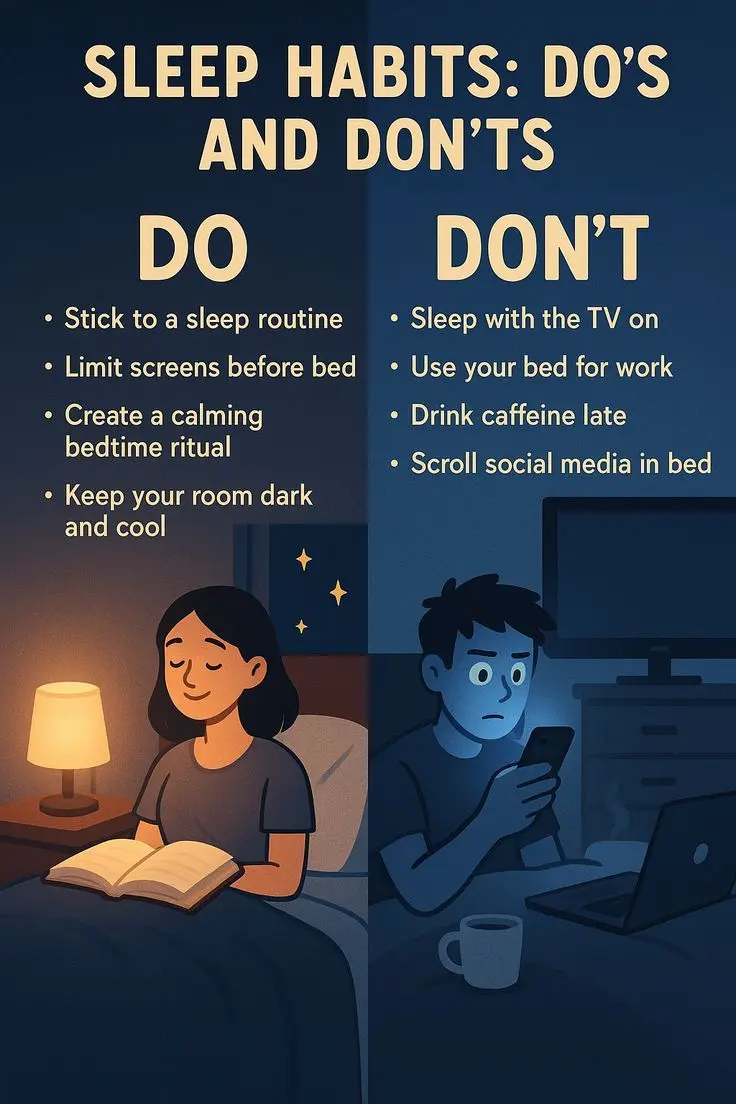
Getting a good night’s sleep is essential for your physical and mental well-being. Unfortunately, many people struggle with falling asleep, staying asleep, or waking up feeling refreshed. Sleep improvement is not just about quantity—it is about quality. Learning how to improve your sleep can transform your energy levels, focus, and overall health.
Sleep problems can affect anyone, regardless of age or lifestyle. Stress, irregular schedules, and unhealthy habits often interfere with restful sleep. Fortunately, there are proven strategies that can help you sleep better naturally, boost your mood, and increase productivity.
What is Sleep Improvement?
Sleep improvement refers to techniques and habits designed to enhance the quality and duration of your sleep. It focuses on creating conditions that allow the body to rest deeply and restore itself. Sleep improvement is not only about sleeping longer; it’s about maximizing restorative sleep cycles to ensure you wake up feeling alert and energized.
This can involve changes in bedtime routines, lifestyle adjustments, and mindful practices that support natural sleep patterns. By focusing on sleep improvement, you help your body recover, reduce stress, and maintain overall health.
Why is Sleep Improvement Important?
Sleep is essential for every system in the body. Without proper sleep, your physical and mental functions can suffer significantly.
- Mental health: Poor sleep can lead to irritability, anxiety, and depression.
- Physical health: Sleep affects heart health, weight management, and immune function.
- Cognitive function: Lack of sleep reduces memory, concentration, and decision-making skills.
- Energy and productivity: Sleep improvement ensures you have energy for work, school, and daily activities.
In short, improving sleep is crucial for maintaining a balanced, healthy life and preventing long-term health issues.
Detailed Step-by-Step Guide to Sleep Improvement
1. Establish a Consistent Sleep Schedule
Consistency is key to improving sleep.
- Go to bed and wake up at the same time every day, even on weekends.
- Your body’s internal clock, or circadian rhythm, becomes more regulated with routine.
- Avoid drastic changes in sleep patterns to prevent insomnia or grogginess.
2. Create a Relaxing Bedtime Routine
A calming routine signals your body that it’s time to sleep.
- Dim lights and reduce noise one hour before bedtime.
- Take a warm bath or shower to relax your muscles.
- Practice gentle stretching or meditation to release tension.
- Read a book or listen to soft music instead of using screens.
3. Optimize Your Sleep Environment
The bedroom environment plays a major role in sleep improvement.
- Keep the room dark, quiet, and cool (around 65°F or 18°C is ideal).
- Invest in a comfortable mattress and supportive pillows.
- Remove electronic devices that emit blue light.
- Consider blackout curtains, white noise machines, or eye masks.
4. Watch Your Diet and Hydration
What you eat and drink affects sleep quality.
- Avoid caffeine and nicotine at least six hours before bedtime.
- Limit alcohol consumption; it may help you fall asleep but reduces deep sleep.
- Eat light, balanced meals in the evening; heavy meals can disrupt sleep.
- Stay hydrated, but reduce fluid intake close to bedtime to prevent nighttime trips to the bathroom.
5. Exercise Regularly
Physical activity improves both sleep quality and duration.
- Aim for at least 30 minutes of moderate exercise most days.
- Morning or early afternoon exercise is preferable to evening workouts.
- Yoga or gentle stretching before bed can relax your body and mind.
6. Manage Stress and Anxiety
Stress and worry are major sleep disruptors.
- Practice mindfulness meditation or deep breathing exercises before bed.
- Write down thoughts or worries in a journal to clear your mind.
- Engage in relaxing activities, such as listening to calm music or guided meditation.
7. Limit Screen Time
Electronic devices can interfere with your circadian rhythm.
- Avoid phones, laptops, and TVs one hour before bedtime.
- Blue light from screens suppresses melatonin, the sleep hormone.
- Consider using night mode or blue light filters if device use is unavoidable.
8. Use Natural Sleep Aids Wisely
Certain natural remedies can enhance sleep improvement.
- Herbal teas like chamomile, valerian root, or lavender can relax your body.
- Essential oils like lavender or sandalwood can promote calmness.
- Melatonin supplements may help in certain cases, but consult a healthcare provider first.
9. Monitor and Adjust Your Habits
Sleep improvement requires observation and adaptation.
- Track your sleep patterns using a journal or sleep tracker.
- Note factors that improve or disrupt your sleep.
- Gradually implement changes for sustainable results.
Benefits of Sleep Improvement
- Increased energy and alertness
- Enhanced focus, memory, and cognitive function
- Better mood and emotional regulation
- Stronger immune system
- Reduced risk of heart disease, obesity, and diabetes
- Improved stress management
- Greater productivity and overall quality of life
Disadvantages / Risks
- Over-reliance on supplements may mask underlying sleep disorders
- Excessive focus on “perfect sleep” can create anxiety around bedtime
- Ignoring medical causes of sleep problems can worsen health
- Rapid changes to sleep schedule may initially cause grogginess
Common Mistakes to Avoid
- Using electronics right before bed
- Consuming caffeine late in the day
- Sleeping in irregular hours on weekends
- Ignoring the bedroom environment (light, temperature, noise)
- Relying solely on medications instead of lifestyle adjustments
- Eating heavy meals late at night
FAQs
1. How long does it take to see results from sleep improvement techniques?
Most people notice changes within one to two weeks of consistent practice. Long-term benefits, such as better cognitive function and mood, develop over months.
2. Can exercise really improve sleep quality?
Yes. Regular exercise helps regulate hormones, reduces stress, and promotes deeper, more restorative sleep.
3. Is it bad to nap during the day?
Short naps (20–30 minutes) can be refreshing. Long or late-afternoon naps may interfere with nighttime sleep.
4. How does diet affect sleep?
Caffeine, sugar, and heavy meals can disrupt sleep. Nutrient-rich foods like fruits, vegetables, and whole grains support better sleep quality.
5. What if I still can’t sleep despite these tips?
Persistent sleep issues may indicate insomnia or other disorders. Consulting a sleep specialist is recommended for tailored solutions.
6. How important is the bedroom environment?
Very important. Light, noise, and temperature directly affect sleep quality. Optimizing these factors can significantly improve rest.
7. Can stress reduction alone improve sleep?
Stress management helps, but combining it with lifestyle habits like exercise, routine, and diet ensures more effective sleep improvement.
8. Are sleep trackers helpful?
Yes, they provide insights into patterns and areas for improvement, but should be used as a guide, not a strict rule.
Expert Tips & Bonus Points
- Consistency first: Focus on a regular sleep schedule before implementing other strategies.
- Gradual changes: Sudden lifestyle shifts can be overwhelming; implement one habit at a time.
- Bedtime rituals: Small rituals like reading or stretching signal the body to relax.
- Limit liquids at night: Reduces interruptions from bathroom trips.
- Morning sunlight exposure: Helps regulate your circadian rhythm.
- Positive mindset: Avoid stressing about sleep; relaxation itself improves rest.
- Keep electronics out: Charge phones outside the bedroom if possible.
Conclusion
Sleep improvement is essential for a healthy and balanced life. By focusing on consistent routines, stress management, proper nutrition, and a supportive environment, you can enjoy deeper, more restorative sleep. Small changes in habits can create a significant impact on your overall well-being.
Improving sleep is a journey that combines consistency, self-awareness, and patience. By adopting these strategies and making sleep a priority, you’ll wake up feeling refreshed, energized, and ready to tackle each day with focus and positivity.