
Introduction
Stress has become an unavoidable part of modern life. Between work, school, and personal responsibilities, it is easy to feel overwhelmed. Finding effective stress relief methods is essential to maintain both mental and physical health. Without proper management, stress can lead to anxiety, poor sleep, and even chronic health problems.
Fortunately, stress relief doesn’t have to be complicated. Simple, consistent practices can help you regain balance, feel more relaxed, and improve overall productivity. This guide will explore what stress is, why it matters, and practical techniques you can use every day.
What is Stress Relief?
Stress relief refers to activities, habits, and techniques that help reduce the negative effects of stress on the mind and body. Stress itself is the body’s natural response to challenges or demands, triggering the release of hormones like cortisol and adrenaline. While small amounts of stress can motivate you, prolonged stress can harm your mental and physical well-being.
Stress relief focuses on calming the nervous system, lowering stress hormones, and restoring a sense of balance. It is not about avoiding problems but managing your reactions to challenges in a healthier way. Stress relief can include physical exercises, mental practices, and lifestyle adjustments.
Why is Stress Relief Important?
Managing stress is crucial because prolonged stress can negatively affect your health in many ways:
- Mental health: Chronic stress can lead to anxiety, depression, and mood swings.
- Physical health: Stress is linked to high blood pressure, heart problems, and weakened immunity.
- Sleep quality: Stress often disrupts sleep patterns, leaving you tired and unfocused.
- Productivity: High stress can reduce concentration, decision-making, and efficiency.
By practicing stress relief, you can prevent these issues, improve your quality of life, and maintain a positive mindset even in challenging situations.
Detailed Step-by-Step Guide to Stress Relief
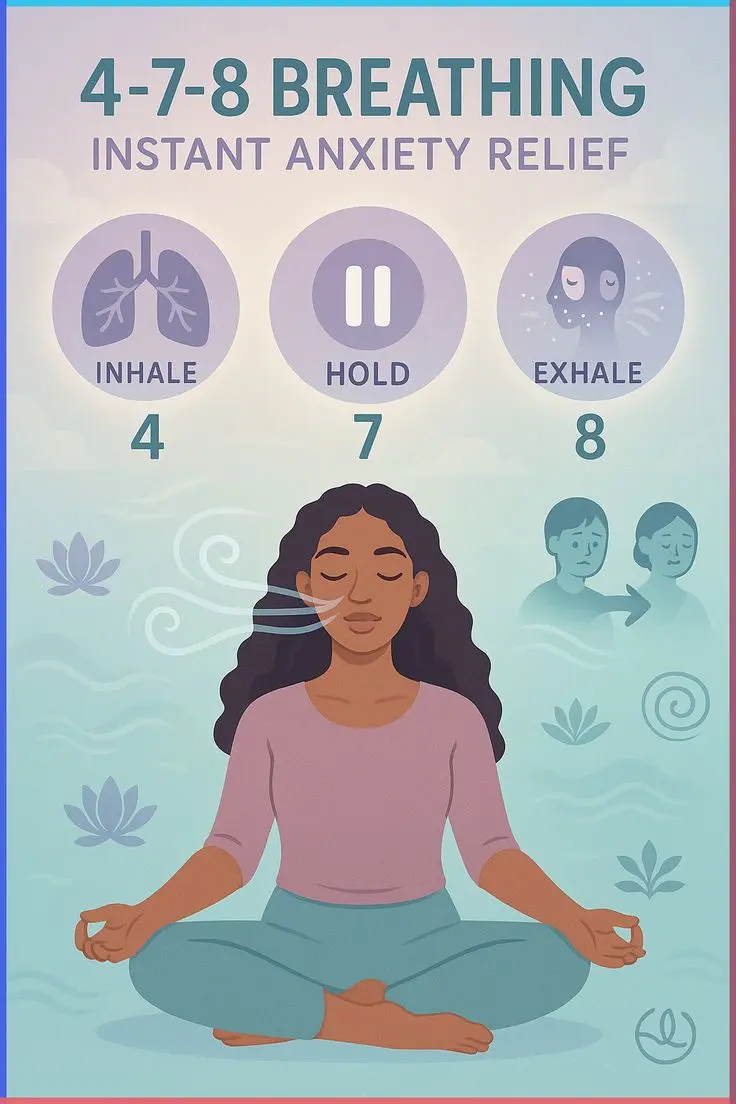
1. Practice Deep Breathing
Deep breathing helps activate the body’s relaxation response.
- Sit comfortably and close your eyes.
- Inhale slowly through your nose for four counts.
- Hold your breath for four counts.
- Exhale slowly through your mouth for six counts.
- Repeat for 5–10 minutes daily.
This simple technique lowers heart rate, reduces anxiety, and improves focus.
2. Engage in Physical Activity
Exercise is one of the most effective stress relief methods.
- Walking, jogging, or cycling can release endorphins.
- Yoga and Pilates combine movement with mindfulness for relaxation.
- Even 20–30 minutes of daily activity can significantly reduce stress.
Regular exercise also improves sleep, boosts energy, and strengthens overall health.
3. Try Meditation and Mindfulness
Meditation trains the mind to stay present, reducing stress reactions.
- Start with 5–10 minutes daily.
- Focus on your breath or a calming mantra.
- Notice thoughts without judgment and gently bring your focus back.
Mindfulness exercises, such as paying attention to daily activities, can also lower stress levels.
4. Maintain a Healthy Diet
Nutrition plays a vital role in stress management.
- Avoid excessive caffeine, sugar, and processed foods.
- Include fruits, vegetables, whole grains, and lean proteins.
- Stay hydrated; dehydration can worsen stress and fatigue.
A balanced diet supports stable energy levels and emotional well-being.
5. Improve Sleep Quality
Good sleep is essential for stress relief.
- Establish a regular sleep schedule.
- Avoid screens 1 hour before bed.
- Create a calm, dark, and cool sleeping environment.
Proper rest improves concentration, mood, and overall resilience against stress.
6. Practice Relaxation Techniques
Other relaxation techniques can help calm your mind:
- Progressive muscle relaxation: Tense and release muscle groups gradually.
- Listening to calming music: Soft instrumental music can reduce cortisol levels.
- Aromatherapy: Scents like lavender and chamomile promote relaxation.
7. Connect with Supportive People
Social support is vital for managing stress.
- Talk to friends or family about your feelings.
- Join support groups or community activities.
- Spending quality time with loved ones reduces stress and increases happiness.
8. Engage in Hobbies and Leisure Activities
Doing things you enjoy can distract from stress and boost mood:
- Reading, painting, or gardening.
- Playing a musical instrument or cooking.
- Even 30 minutes of leisure activity daily can improve mental health.
9. Limit Negative Inputs
Reduce exposure to stressful triggers:
- Limit social media or news consumption.
- Avoid toxic environments or negative people.
- Replace harmful habits with positive alternatives.
Benefits of Stress Relief
- Reduced anxiety and depression
- Improved sleep quality
- Lower blood pressure and heart rate
- Enhanced focus and productivity
- Boosted immune system
- Greater emotional stability
- Increased energy and motivation
Disadvantages / Risks
- Some methods may not be suitable for everyone (e.g., intense exercise for heart conditions)
- Over-reliance on substances like alcohol or medication can be harmful
- Ignoring underlying causes of stress can prevent long-term relief
- Excessive focus on relaxation may reduce motivation if not balanced with action
Common Mistakes to Avoid
- Ignoring stress until it becomes overwhelming
- Using unhealthy coping mechanisms (overeating, smoking, alcohol)
- Believing stress relief is a one-time solution
- Skipping regular practice of relaxation techniques
- Comparing your progress to others
- Neglecting physical health while focusing only on mental relaxation
FAQs
1. How long does it take for stress relief techniques to work?
Most techniques, like deep breathing or meditation, can provide immediate relief within minutes. Long-term benefits come with consistent practice over weeks or months.
2. Can exercise alone reduce stress?
Yes, regular physical activity releases endorphins, improves mood, and reduces cortisol. Combining exercise with other techniques enhances overall stress relief.
3. Is stress relief different for everyone?
Absolutely. People respond differently to techniques. Some prefer meditation, while others benefit from exercise or hobbies. Finding what works best for you is key.
4. Can diet really affect stress levels?
Yes. Nutrient-rich foods stabilize blood sugar, support brain function, and improve mood, reducing overall stress. Avoiding processed foods and caffeine spikes is helpful.
5. How can I practice stress relief at work?
Take short breaks, practice deep breathing, go for a walk, or use mindfulness exercises. Even a few minutes can reduce tension and increase focus.
6. What if stress is due to a major life event?
Professional support, like counseling or therapy, may be necessary in addition to self-help techniques. Combining support with daily stress relief methods improves coping ability.
7. Can mindfulness meditation replace sleep or exercise?
No, mindfulness complements sleep and exercise but does not replace them. Balanced stress relief includes mental, physical, and lifestyle approaches.
8. How often should I practice stress relief?
Daily practice is recommended. Even short, consistent sessions provide long-term benefits.
Expert Tips & Bonus Points
- Start small: Begin with 5 minutes of deep breathing or meditation daily.
- Consistency is key: Regular practice yields better results than occasional intensive sessions.
- Mix techniques: Combine exercise, mindfulness, hobbies, and social support for maximum effect.
- Track your progress: Keep a stress journal to monitor triggers and improvements.
- Practice gratitude: Writing down things you’re thankful for can shift your mindset.
- Set boundaries: Learn to say no to unnecessary stressors.
- Digital detox: Reducing screen time, especially at night, improves relaxation and sleep quality.
Conclusion
Stress relief is not a luxury; it is a necessity for a healthy, balanced life. By understanding stress, its effects, and adopting practical techniques, you can regain control over your mind and body. Simple steps like deep breathing, exercise, meditation, and mindful living make a significant difference.
Remember, consistency matters more than perfection. Experiment with different techniques, find what works best, and make stress relief a daily habit. Over time, you’ll notice improved focus, better health, and a calmer, happier mindset. Stress may be unavoidable, but managing it effectively is entirely within your reach.